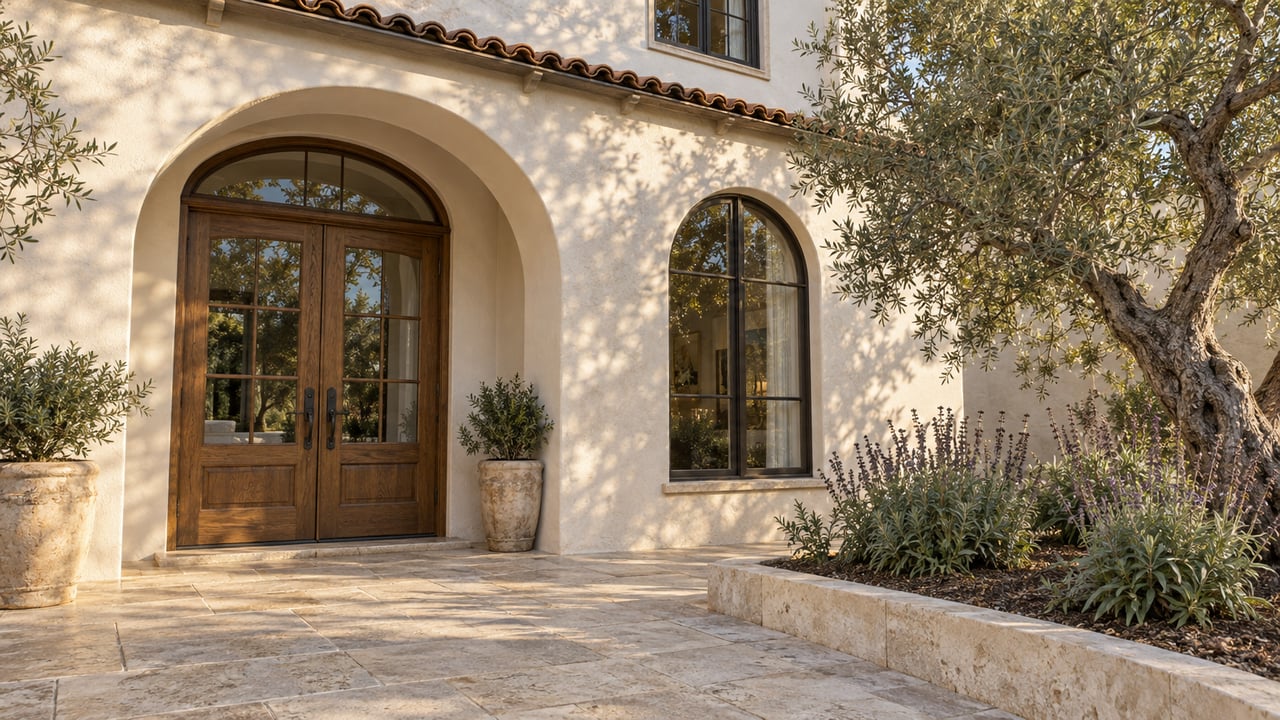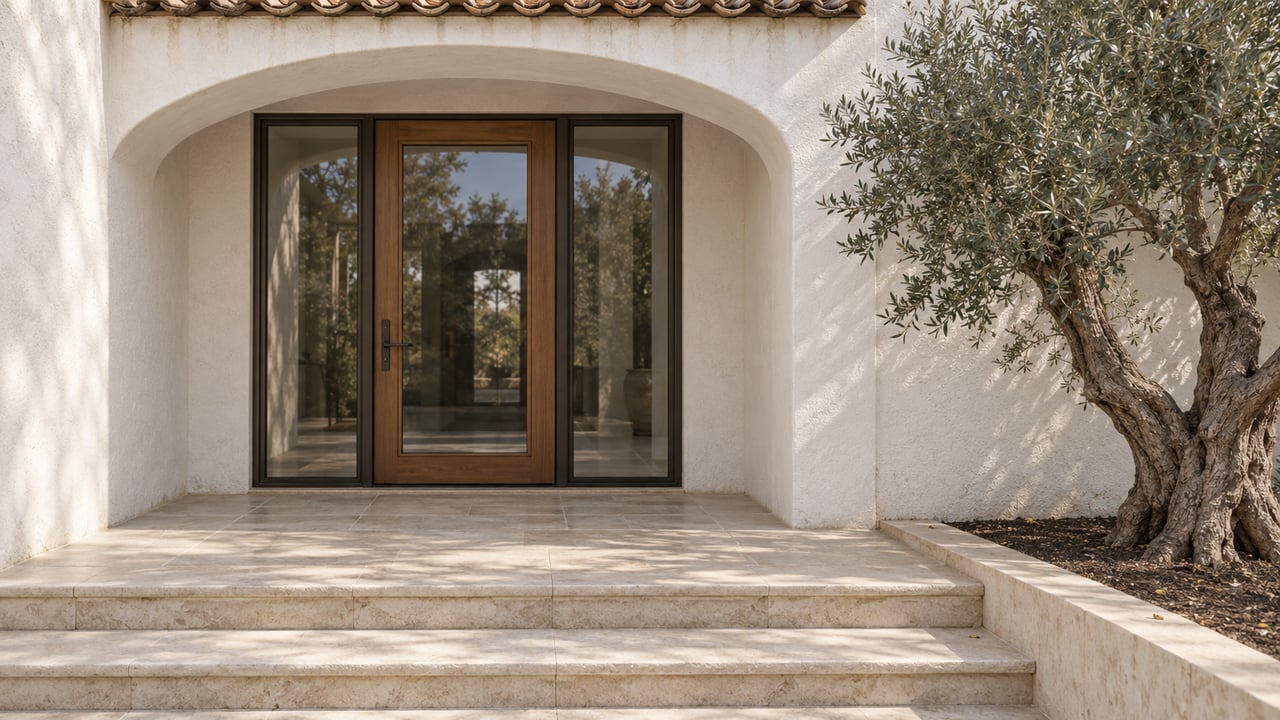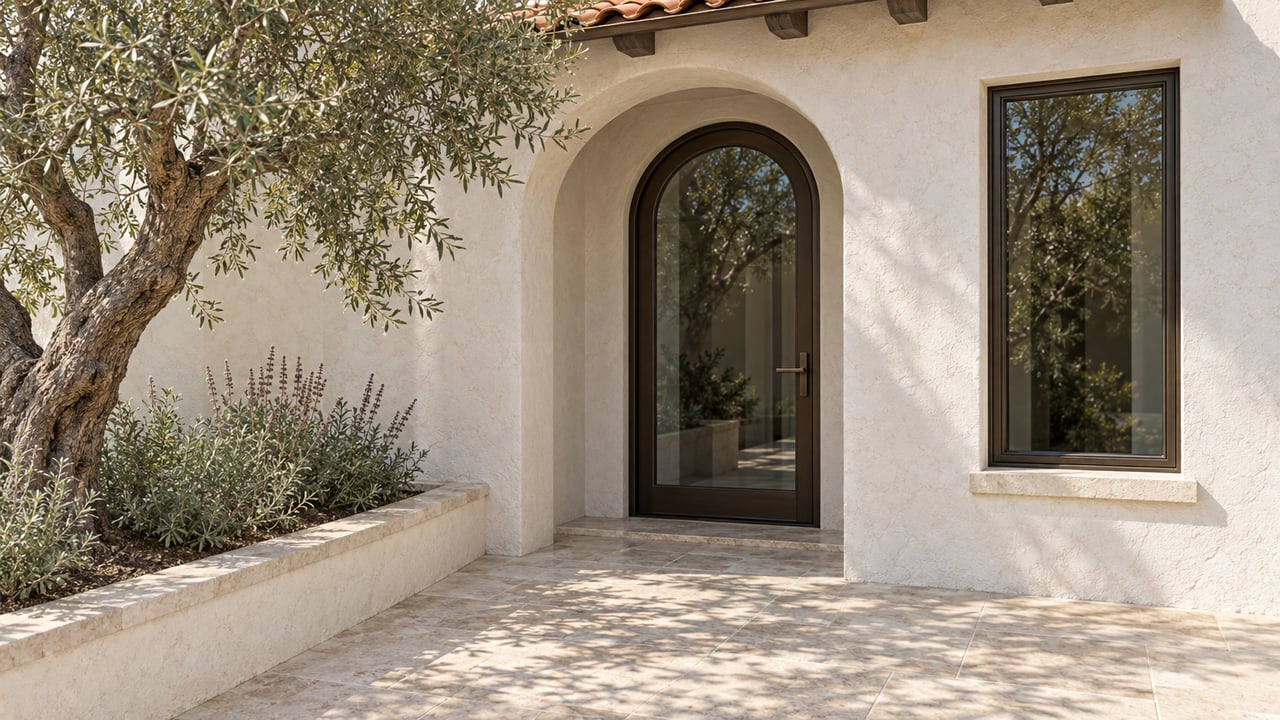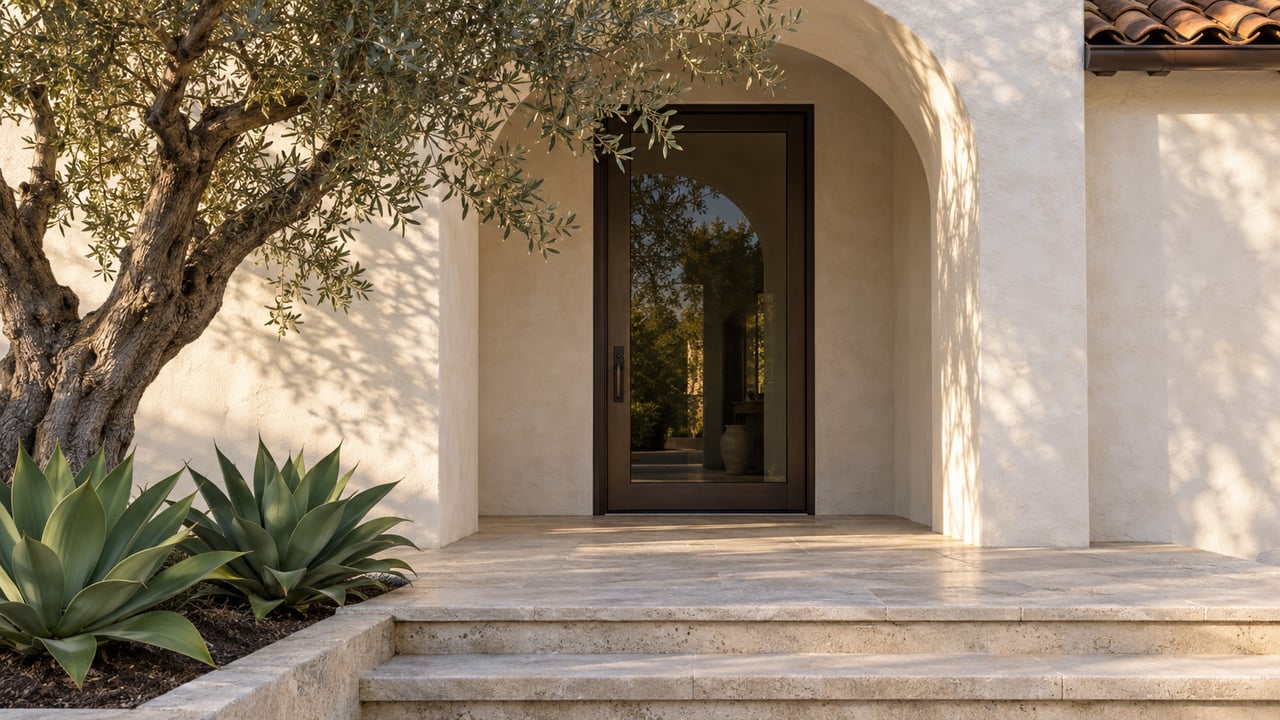
If you are selling a renovated home in Pacific Palisades, great design alone is not enough. Buyers in this market often look past the finishes and ask deeper questions about permits, pricing, resilience, and how the renovation fits the property’s exact location. The good news is that when you prepare the right story and the right documentation, your home can stand out for all the right reasons. Let’s dive in.
Pacific Palisades Market Conditions
Pacific Palisades remains one of Los Angeles’ highest-priced neighborhoods, but it is not a market where every renovated home sells quickly on looks alone. According to Redfin’s Pacific Palisades housing market data, the median sale price was $3,499,250 in February 2026, down 16.7% year over year, with homes averaging 80 days on market.
That backdrop matters when you prepare to list. A polished renovation may still command strong interest, but buyers are comparing carefully, and they are often weighing location details like views, lot shape, and the quality of completed work. A broad neighborhood average will not tell the full story for your home.
Zillow’s Pacific Palisades snapshot also points to active inventory in the area, which means buyers may have options. In a market with meaningful supply, your renovation needs to feel both beautiful and credible from day one.
Price Your Renovation Precisely
A common mistake is assuming a renovation automatically earns a blanket premium. In Pacific Palisades, pricing usually works best when it reflects a tight set of comparables with similar subarea, lot characteristics, views, age of renovation, and permit history.
That is especially true in an uneven market. If your home is priced only by applying a premium to the neighborhood median, you risk missing what buyers are actually comparing in real time. Buyers here often notice the difference between cosmetic updates and renovations that were completed through the right process.
A disciplined pricing strategy should answer one key question: why is this renovated home worth this number compared with nearby alternatives? When that answer is clear, your launch feels more confident and more believable.
Build a Complete Upgrade File
For a renovated home, paperwork can be just as important as presentation. The Los Angeles Department of Building and Safety states that permitted work is not approved until it has been inspected and accepted, and final inspection leads to a Certificate of Occupancy when applicable.
Before listing, it helps to gather your renovation records into one clear package. That package can reduce buyer hesitation and make it easier to answer questions quickly during escrow.
What to include before listing
- Building permits
- Approved plans
- Inspection sign-offs
- Building Card records
- Final occupancy documents, if applicable
- Any accessible building record research tied to the completed work
When buyers see a well-organized file, they often feel more confident about the renovation. In a neighborhood where due diligence runs deep, that confidence can matter.
Highlight Permit and Inspection Clarity
Pacific Palisades buyers are often detail-oriented, especially when the home has been expanded, reconfigured, or materially upgraded. Showing that the work moved through inspection and approval can help separate your home from listings that leave open questions.
This does not mean overwhelming buyers with technical documents in the marketing itself. It means being ready with clear, orderly support for the work you completed, so your renovation story feels polished from the first showing through closing.
The City’s creation of a Palisades Inspections and Permitting Support Center in February 2026 also reflects how central permit history remains in the area. For sellers, that is a reminder that transparency is not optional. It is part of smart preparation.
Prepare for Required Disclosures
A renovated home still comes with standard seller disclosure obligations. For most one-to-four-unit residential sales in California, sellers must provide a Real Estate Transfer Disclosure Statement, which is intended to disclose the property’s condition and known environmental hazards.
The California DRE disclosure guidance also explains that mapped hazard areas may trigger a Natural Hazard Disclosure Statement. If it is not clear whether a parcel falls within a zone, the guidance notes that disclosure should be made unless an expert report establishes otherwise.
If your home was built before 1978, federal lead-related disclosure rules apply as well. The California Department of Public Health summary notes that sellers must disclose known lead hazards, provide the EPA pamphlet, and give buyers a 10-day inspection opportunity unless the parties agree otherwise.
That same disclosure material also reminds sellers that water heaters must be certified as braced, anchored, or strapped for earthquake motion. These details may seem small, but they are part of presenting a truly move-in-ready home.
Address Fire Resilience Thoughtfully
In Pacific Palisades, resilience is part of the conversation. The Los Angeles Fire Department states that the neighborhood is within the city’s Very High Fire Hazard Severity Zone, and that buyer disclosures under AB38 apply to residential property in that zone.
For sellers of renovated homes, this creates an opportunity to present practical upgrades in a clear and reassuring way. Buyers may appreciate knowing whether the home includes features such as fire-resistant roofing or vents, upgraded windows, screened under-deck areas, clean gutters, or visibly maintained defensible space.
LAFD’s home-hardening guidance also highlights elements like roof, vent, window, deck, and landscaping measures, including a 3-to-5-foot fuel-free buffer around the home. You do not need to overstate these features as guarantees. Instead, frame them as thoughtful improvements that support buyer confidence in a location where resilience matters.
Explain Location-Specific Review Factors
Not every Pacific Palisades property is the same from a planning and review standpoint. The City notes that parcels in the Coastal Zone, the Pacific Palisades Commercial Village and Neighborhood Specific Plan area, or geologically sensitive hillside areas can face additional review steps.
The City also states that hillside homes in geologically sensitive areas may require geology and soils reports. If your renovation involved additions, grading, or major exterior improvements, buyers may feel more comfortable when you can show that the work was reviewed under the proper process.
This is especially helpful for homes on hillside lots or in areas with extra planning layers. It tells buyers that the renovation was not just attractive, but thoughtfully executed within local requirements.
Stage the Rooms That Matter Most
Once the documentation is in place, presentation becomes your next advantage. According to the National Association of Realtors’ 2025 staging survey, 29% of agents said staging led to a 1% to 10% increase in the dollar value offered, while 49% said staging reduced time on market.
For a renovated Pacific Palisades home, staging should support the architecture and let buyers imagine daily life in the space. In a design-aware coastal market, the goal is not to make the home feel crowded or overly styled. It is to make the renovation feel livable, elevated, and cohesive.
Focus on these spaces first
- Living room
- Primary bedroom
- Kitchen
NAR reports that buyers’ agents ranked those rooms as the most important spaces to stage. That fits well with renovated Palisades listings, where buyers often respond to light, layout, and the flow between entertaining areas and private retreat spaces.
Support the Launch With Strong Visuals
A renovation needs more than beautiful finishes. It needs a marketing package that helps buyers understand how the home lives.
The same NAR staging report found that photos, physical staging, videos, and virtual tours were all highly important. That supports a launch strategy centered on strong photography, a clean room-by-room narrative, and visual consistency across every touchpoint.
This matters even more in a market where buyers may be comparing older homes, renovated homes, and newer construction at the same time. Your visuals should show what was improved, how the design works in real life, and why the home feels distinctive within the Pacific Palisades landscape.
Keep the Renovation Story Clear
The most effective renovated listings do not just say, “everything is new.” They tell a more complete story. In Pacific Palisades, that story often works best when it connects the renovation to buyer priorities like permit clarity, resilience, polished indoor-outdoor flow, and thoughtful presentation.
If original character was preserved, say so. If major systems or materials were upgraded, show how those choices improve daily living. If exterior improvements support maintenance or resilience, make that part of the narrative in a measured, factual way.
A clean story helps buyers understand not only what changed, but why the renovation deserves attention in a selective market.
Small Prep Steps Still Matter
Even at the luxury level, basics still count. NAR reported that common recommendations to sellers include decluttering, whole-home cleaning, and improving curb appeal, with median staging service costs around $1,500 and agent-handled staging around $500.
That is a useful reminder for Pacific Palisades sellers. A sophisticated renovation can lose momentum if the home feels visually busy, poorly maintained, or under-photographed.
Before launch, make sure your home feels calm, clean, and easy to read. In many cases, that simplicity allows the renovation itself to carry the message.
Selling a renovated home in Pacific Palisades often comes down to one simple truth: buyers want beauty, but they also want confidence. When your pricing is disciplined, your paperwork is organized, and your presentation reflects the way buyers actually evaluate homes here, your listing is positioned to perform more strongly. If you are preparing to sell and want a strategic, design-forward plan tailored to your home, Shelton Wilder can help you bring the right story to market.
FAQs
What should you disclose when selling a renovated home in Pacific Palisades?
- For most one-to-four-unit residential sales, you should expect to provide a Real Estate Transfer Disclosure Statement, and depending on the property, a Natural Hazard Disclosure Statement may also apply. If the home was built before 1978, federal lead-related disclosures are also required.
Why do permits matter when selling a remodeled home in Pacific Palisades?
- Permits matter because buyers often want proof that work was inspected and accepted through the proper process. Organized records can make your renovation feel more credible and reduce uncertainty during due diligence.
How should you price a renovated home in Pacific Palisades?
- Pricing should be based on a narrow set of truly comparable homes, including similar subarea, lot type, views, renovation age, and permit quality, rather than relying only on neighborhood median prices.
How important is fire resilience when marketing a Pacific Palisades home?
- Fire resilience is an important buyer-confidence factor because Pacific Palisades is within the Very High Fire Hazard Severity Zone. Visible upgrades and well-maintained defensible space may help support a stronger presentation.
What rooms should you stage first in a renovated Pacific Palisades listing?
- The living room, primary bedroom, and kitchen are the top rooms to prioritize, based on buyer-agent feedback in NAR’s staging survey.