If you want Westside access without the feel of a dense urban core, Mar Vista often stands out right away. It has a more residential rhythm than many nearby neighborhoods, with established streets, local gathering spots, and a housing mix that reflects decades of Los Angeles history. For buyers and sellers alike, understanding that everyday feel matters just as much as knowing the map. Here’s what it’s like to live in Mar Vista and why so many people are drawn to its grounded, neighborhood-scale character. Let’s dive in.
Mar Vista at a Glance
Mar Vista is a Westside neighborhood within the City of Los Angeles, located in Council District 11 and the Palms–Mar Vista–Del Rey planning area. City sources place it near Venice, West Los Angeles, Santa Monica, and Culver City, which helps explain why it feels well connected to several of the Westside’s most active hubs.
Venice Boulevard is one of the neighborhood’s major east-west routes, and it provides a direct connection toward the beach. That location gives you access to coastal areas and nearby business districts while still living in a community that is residential first.
A More Residential Westside Feel
One of the clearest things people notice about Mar Vista is its lower-density character. According to the Council District 11 neighborhood page, local residents pushed back against up-zoning in the 1950s, which helped preserve a built environment that is less vertical than many surrounding parts of the Westside.
In everyday terms, that means Mar Vista often feels calmer and more neighborhood-scaled than nearby areas with heavier commercial development or taller residential buildings. If you are looking for a part of Los Angeles that feels established and lived-in, this is a big part of Mar Vista’s appeal.
Housing in Mar Vista
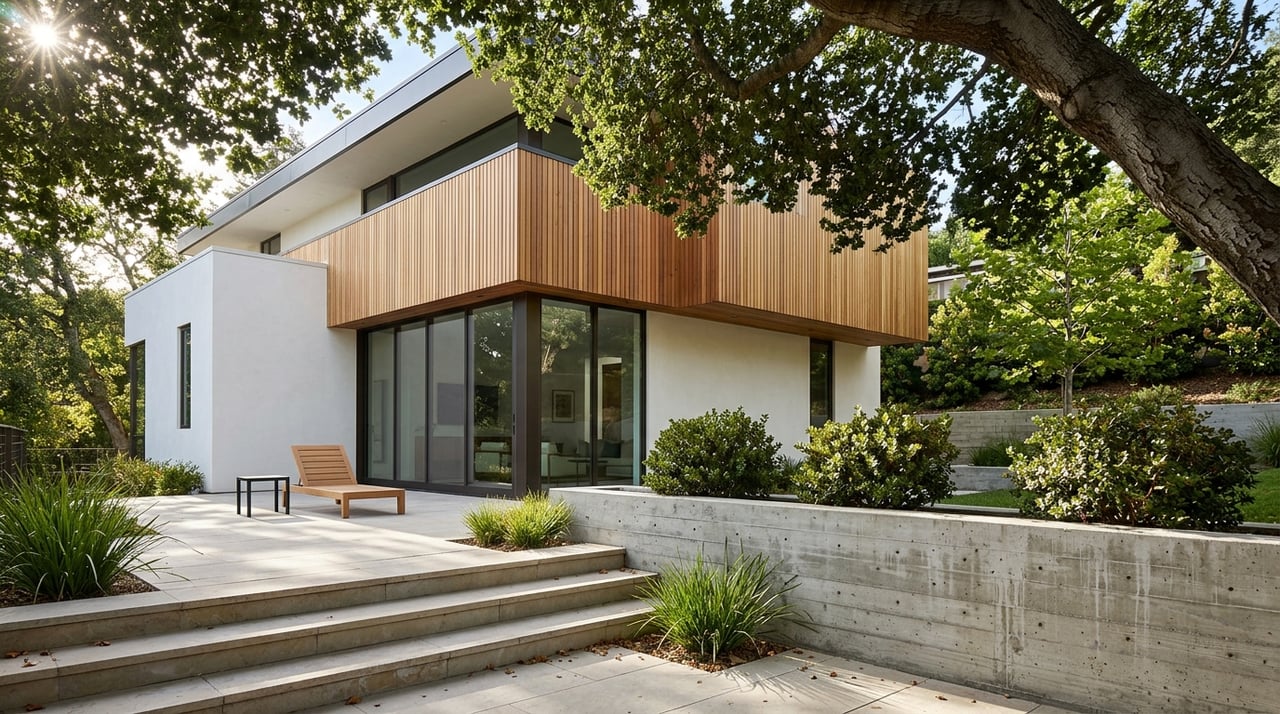
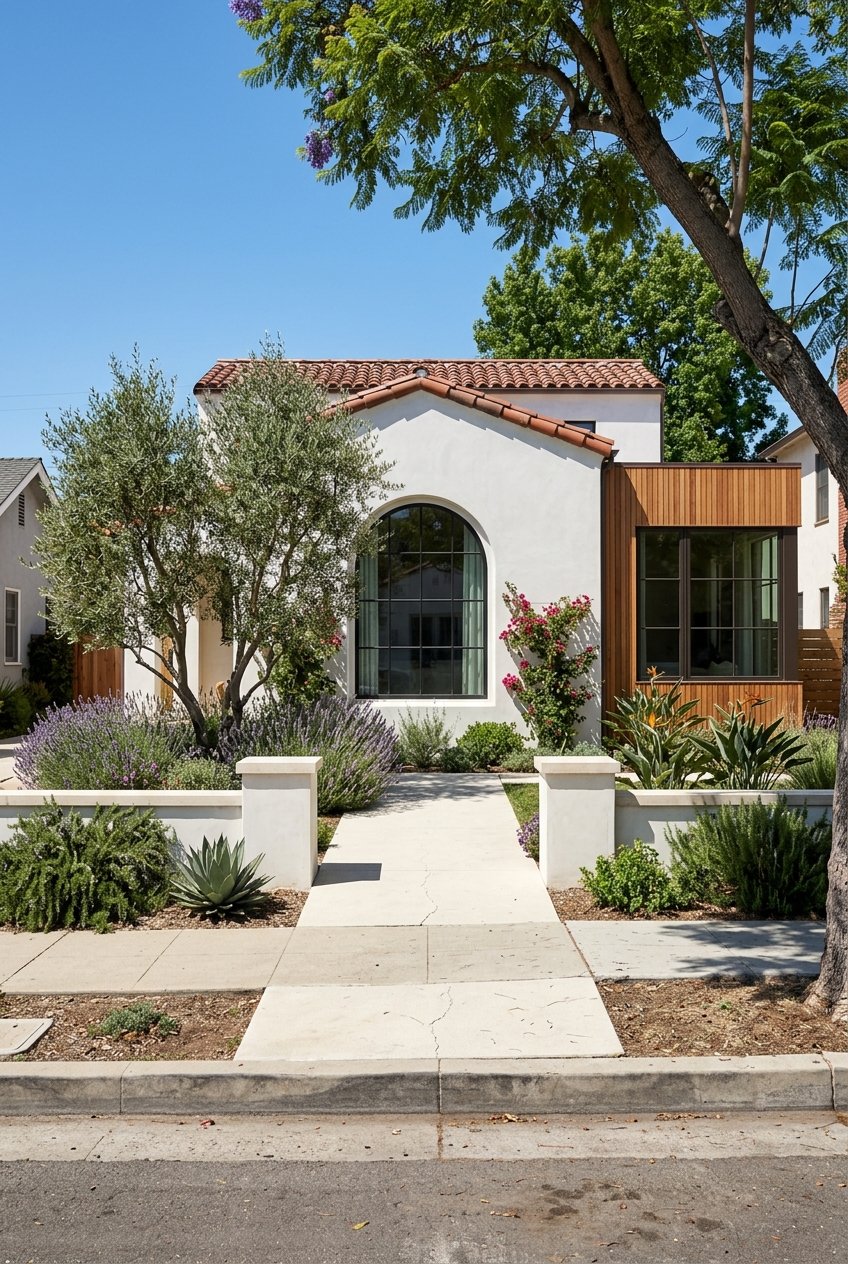
Mar Vista’s housing story is closely tied to postwar Los Angeles. City planning materials describe much of the neighborhood as shaped by modest one-story homes, with later change happening through remodeling and rebuilding rather than large new subdivision-style development.
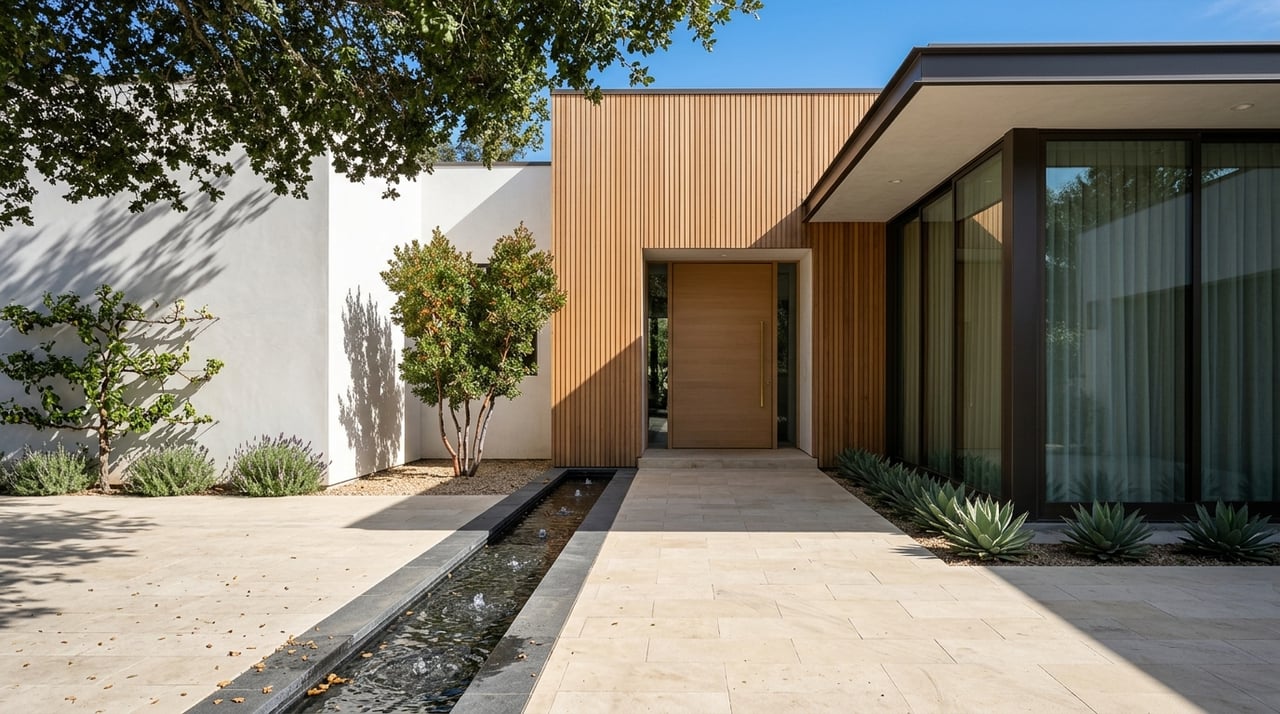
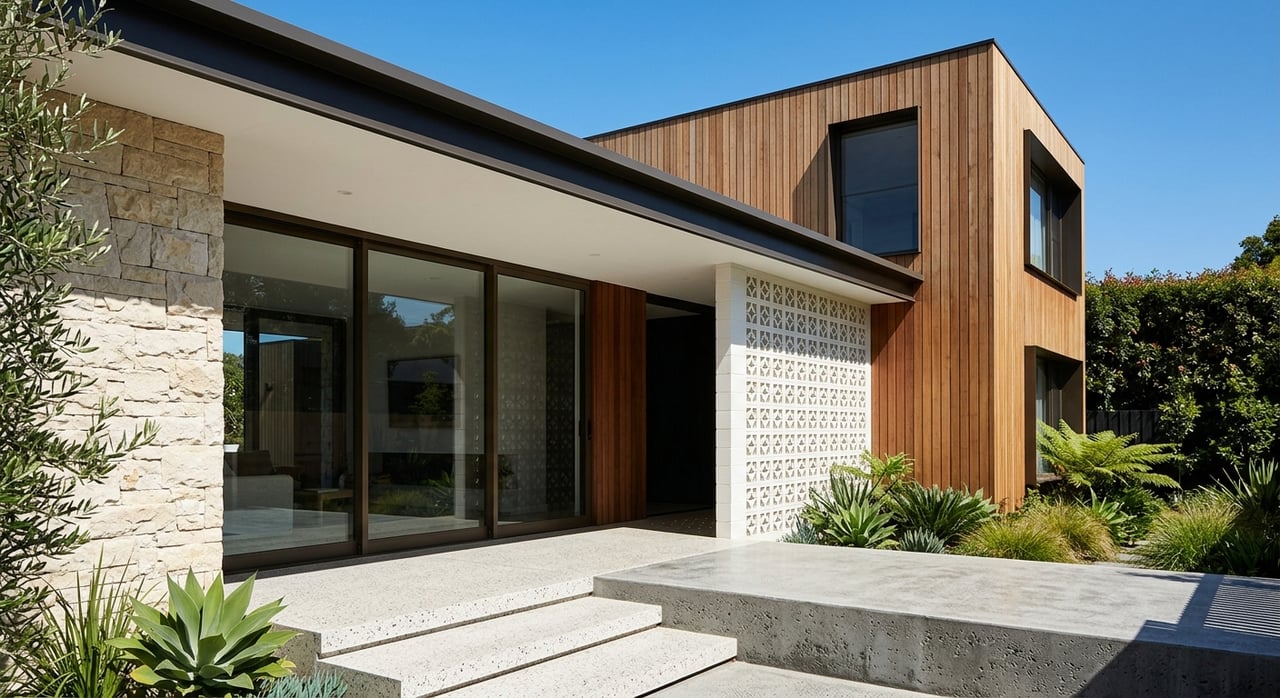
That creates a streetscape with variety, but not in a way that feels random. You will find classic bungalow-scale homes, mid-century influences, and newer residences that often sit where older homes once stood. The result is a neighborhood that feels layered over time instead of newly built all at once.
Mid-Century Roots Still Matter
A notable example is the Gregory Ain Mar Vista Tract, a 52-parcel modernist enclave of one-story single-family homes built in 1948. City planning describes the area as intentionally designed with a park-like atmosphere, open space between homes, and varied plantings along the street.
That planning history helps explain why parts of Mar Vista can feel visually open and quietly distinctive. Even if you are not touring that specific tract, the broader neighborhood still reflects the postwar planning patterns that shaped its identity.
Low-Rise Living Is Common
Outside the single-family streets, the neighborhood’s multi-family housing is generally low-rise. Planning materials describe older multi-family buildings as mostly two stories, with newer development typically three to four stories and often including landscaped front yards and subterranean parking.
For you as a buyer or seller, that means Mar Vista does not usually read as a skyline neighborhood. It is more about homes, smaller residential buildings, and practical streets that support daily life.
Daily Life Feels Local
Mar Vista’s appeal is not just about housing. It is also about routine. The neighborhood has a day-to-day pattern built around local institutions, recurring events, and commercial areas that serve residents rather than trying to function as a major regional destination.
That distinction matters if you want a neighborhood where errands, coffee, weekend plans, and community touchpoints can all happen close to home. Mar Vista tends to offer exactly that kind of lived-in convenience.
The Farmers Market Is a Weekly Anchor
The Mar Vista Farmers Market takes place every Sunday from 9 a.m. to 2 p.m. at Grand View and Venice Boulevard. The market presents itself as a weekly gathering place for neighbors in addition to being a source for produce and prepared foods.
That kind of recurring community ritual adds a lot to how a neighborhood feels over time. Instead of relying only on destination retail, Mar Vista has a built-in weekly event that helps create familiarity and local connection.
Library and Recreation Options Support Everyday Living
The Mar Vista Branch Library on Venice Boulevard offers regular programming, Wi-Fi, computers, and community events. Nearby, the Mar Vista Recreation Center at Palms and Sawtelle includes sports programs, camps, picnic areas, a jogging path, outdoor fitness equipment, and a seasonal swimming pool.
These are the kinds of amenities that shape real daily life. They support routines, provide useful public spaces, and reinforce the sense that Mar Vista functions as a neighborhood where people spend time, not just a place they pass through.
Commercial Areas Stay Neighborhood-Oriented
City Planning describes Mar Vista’s commercial corridors as mostly small-scale and neighborhood-oriented. The Venice Boulevard stretch near the Mar Vista library is identified as a cultural and activity center, which gives that part of the neighborhood a practical energy without making it feel oversized.
Planning goals for the area also support uses like restaurants, cafes, and convenience commercial. So if you are picturing huge retail centers or a highly concentrated entertainment district, that is generally not the Mar Vista experience. The commercial scene is more local-serving and woven into the neighborhood fabric.
What Buyers Often Notice First
For early-stage buyers, Mar Vista often feels established from the moment they begin exploring it. Mature residential streets, older housing stock, and local infrastructure all contribute to that first impression.
Another thing buyers often notice is the contrast between interior residential blocks and the main corridors. Interior streets usually feel quieter, while Venice Boulevard and other major routes carry more activity, traffic, and commercial energy. That difference can be helpful when narrowing down which part of Mar Vista best fits your lifestyle.
Community Engagement Is Part of the Identity
Mar Vista also has an active civic culture through the Mar Vista Community Council, which exists to provide a forum for quality-of-life issues and stakeholder communication. While every resident engages differently, that kind of organization reflects a neighborhood with ongoing community participation.
For many people, that adds to Mar Vista’s appeal. It suggests a place where local identity is not just historical, but also actively maintained through community involvement and neighborhood dialogue.
Why Mar Vista Feels Established
Mar Vista was first known as Ocean Park Heights and was annexed to Los Angeles on March 10, 1927. That longer development timeline helps explain why the neighborhood often feels settled and rooted.
You can see that history in the street patterns, the range of housing types, and the way older and newer homes coexist. Mar Vista is not defined by one single architectural moment. Instead, it feels like a neighborhood that has evolved steadily while keeping a recognizable residential core.
Is Mar Vista Right for You?
If you are drawn to neighborhoods that feel connected but not overly dense, Mar Vista deserves a close look. It offers Westside location benefits, a lower-rise residential setting, and community amenities that support daily life in a grounded way.
For buyers, that can mean a better match if you want neighborhood character, local routines, and access to nearby coastal communities. For sellers, it means Mar Vista’s identity is often a real strength in how buyers experience the area. The story here is not just location. It is livability, consistency, and a sense of place.
If you’re considering a move in Mar Vista or nearby Westside neighborhoods, Shelton Wilder can help you navigate the market with a polished, high-touch approach and deep local perspective.
FAQs
What is Mar Vista known for in Los Angeles?
- Mar Vista is known for its lower-density residential character, postwar housing, weekly farmers market, neighborhood-oriented commercial areas, and location near Venice, Santa Monica, West Los Angeles, and Culver City.
What type of housing is common in Mar Vista?
- Mar Vista includes many modest one-story homes, bungalow-scale residences, mid-century pockets, older low-rise multi-family buildings, and some newer three- to four-story residential development.
What is daily life like in Mar Vista?
- Daily life in Mar Vista tends to center on neighborhood routines, including the Sunday farmers market, library programs, recreation center amenities, local cafes, and practical commercial corridors.
Is Mar Vista a dense neighborhood?
- Compared with many nearby Westside communities, Mar Vista is generally less dense and less vertical, with a stronger low-rise residential feel.
What do homebuyers usually notice about Mar Vista?
- Many buyers notice the established streets, mature residential setting, quieter interior blocks, busier major corridors, and the neighborhood’s overall community-oriented character.