If you are looking at small multi-unit properties in Mar Vista, you are probably balancing two goals at once: stable income today and smart long-term upside. That is especially true in a Westside neighborhood where entry prices are high, building types vary block by block, and regulations can shape your returns just as much as rents. In this guide, you will get a practical look at how to evaluate 2-to-4-unit opportunities in Mar Vista, where the best value-add angles may be, and what diligence matters most before you write an offer. Let’s dive in.
Why Mar Vista Appeals to Investors
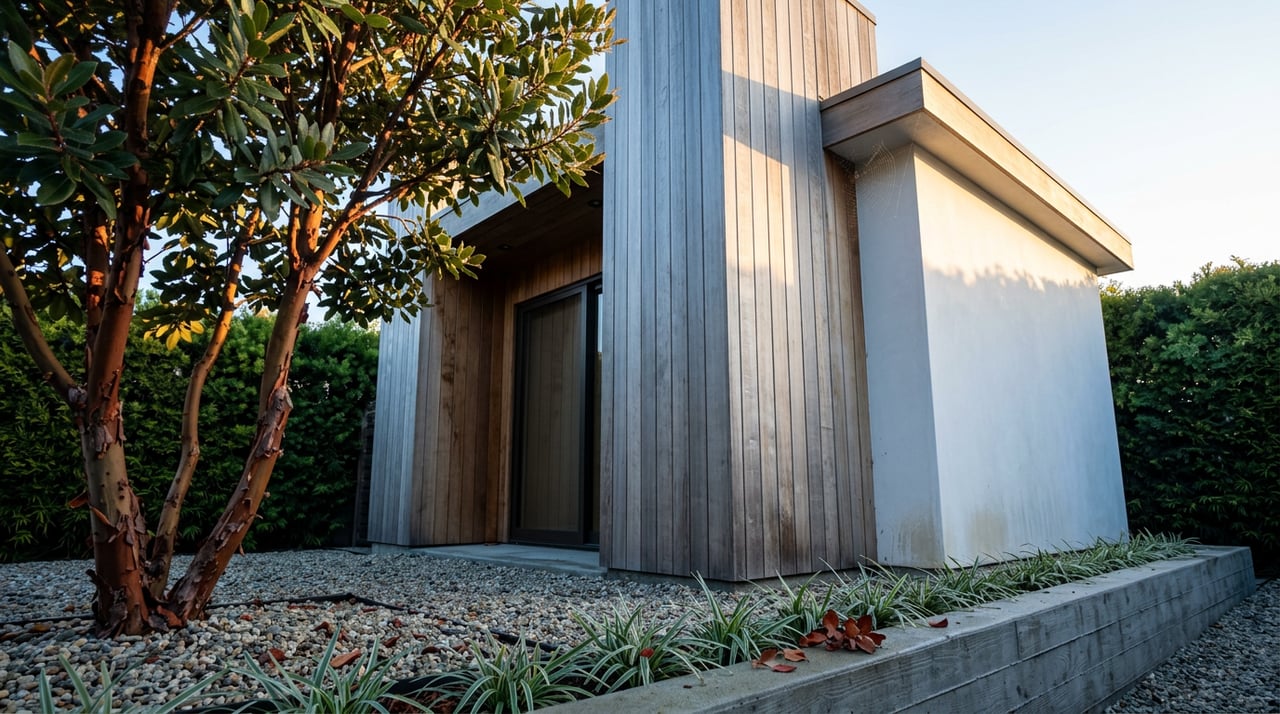
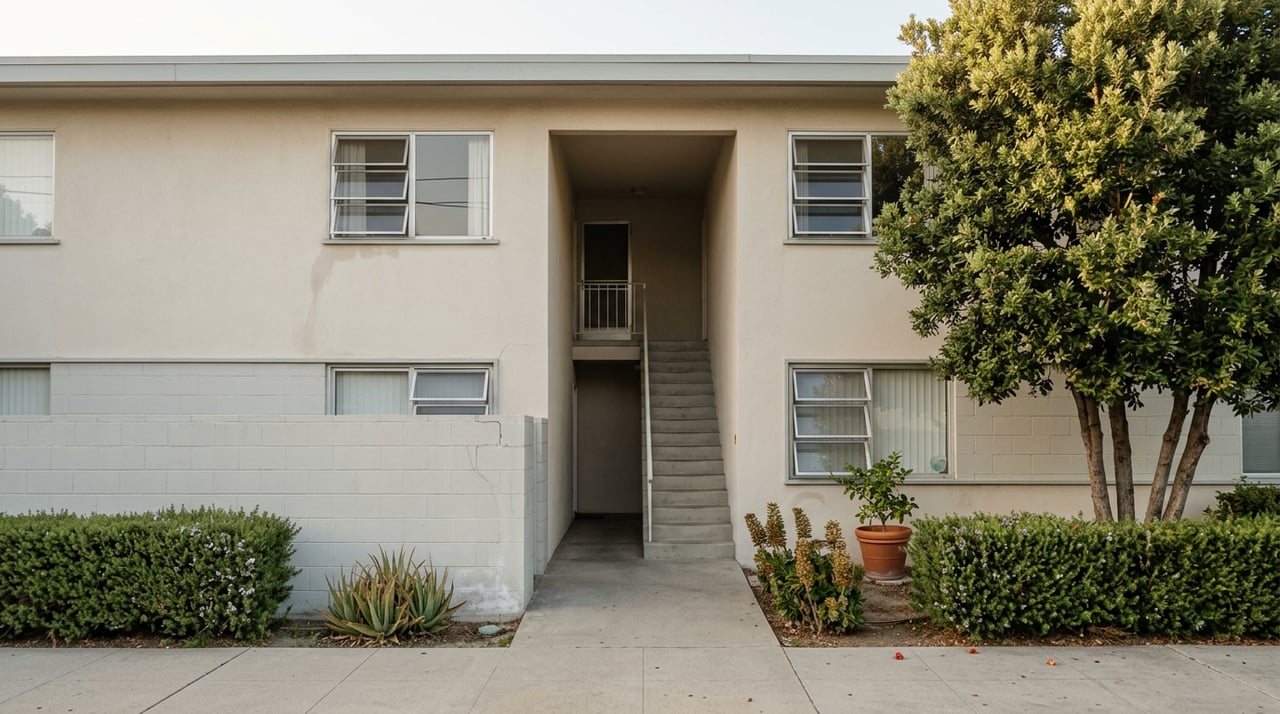
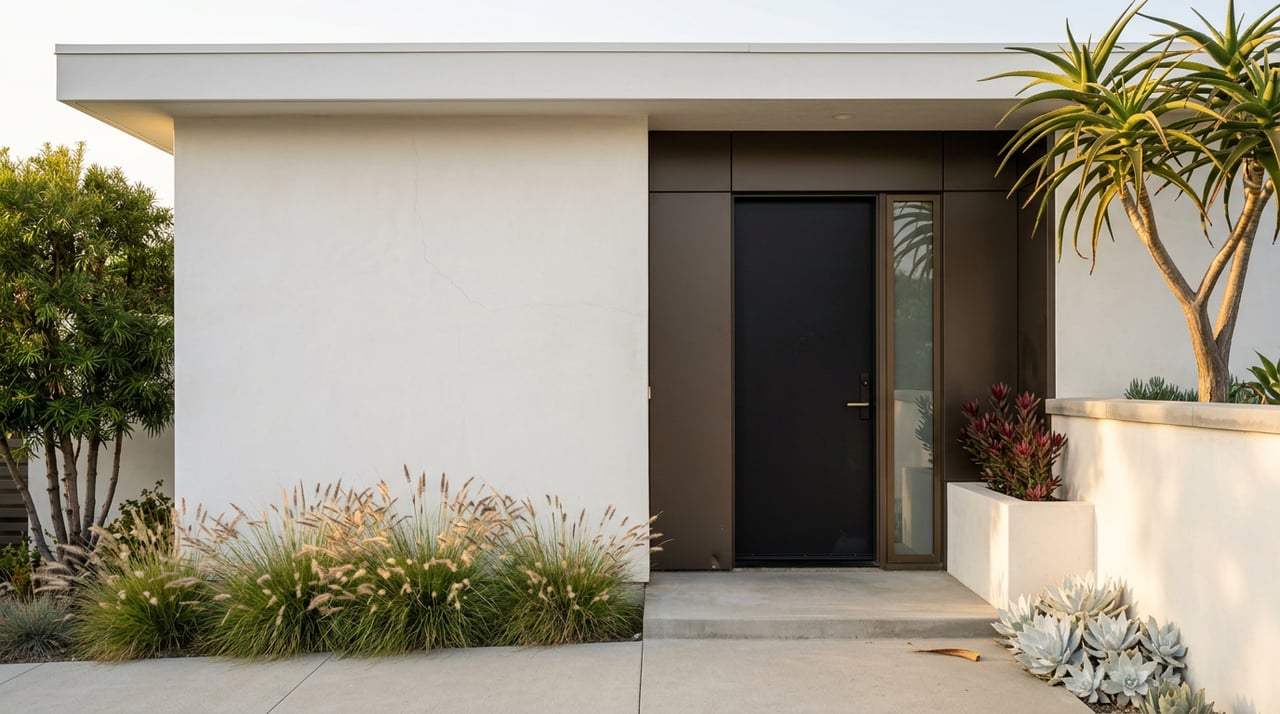
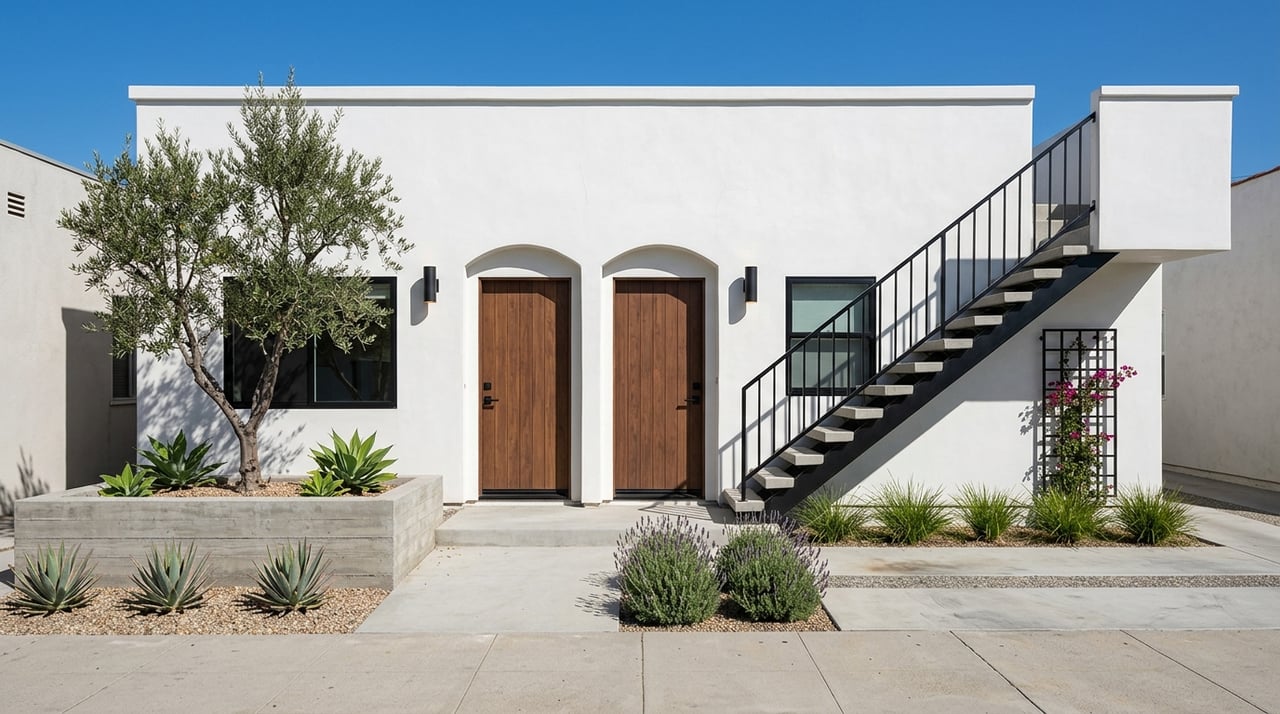
Mar Vista stands out as a premium, low-scale Westside rental submarket. According to the City of Los Angeles Planning Department, much of the area west of Sawtelle Boulevard is characterized by low-scale residential development, while more intensive multi-unit development is generally concentrated east of Sawtelle and along corridors like Venice, McLaughlin, Slauson, and Centinela. That pattern matters because the most natural fit for many investors is not a large apartment project, but a smaller neighborhood-scale asset that matches the surrounding streetscape.
For you as a buyer, that often means the strongest opportunities are found in low-rise properties that feel consistent with the existing fabric of the neighborhood. The City’s draft community plan update also highlights context-sensitive forms such as bungalow courts and courtyard apartments, which helps explain why smaller multifamily properties can make sense here from both a design and planning perspective. You can review the area context through the Palms-Mar Vista-Del Rey Community Plan resources.
Mar Vista’s Building Pattern Matters
Not every Mar Vista block offers the same investment playbook. On some streets, the surrounding development supports a modest small-multifamily hold with renovation upside. On others, especially near major corridors, you may see a bit more flexibility in terms of building form and surrounding uses.
That is why corridor-specific site selection is so important here. The draft plan identifies major corridors including Venice, Pico, Sepulveda, Sawtelle, Overland, Motor, and Lincoln as areas with low- to mid-scale multi-unit and commercial uses. In practical terms, that means two properties with similar unit counts can have very different long-term potential depending on location, lot configuration, and planning constraints.
Watch for Historic Overlay Limits
There is also a preservation layer to keep in mind. The Gregory Ain Mar Vista Tract Historic Preservation Overlay Zone covers 52 parcels, and that can affect what you can do with exterior changes or redevelopment.
If you are underwriting a value-add deal, parcel-level diligence is essential before assuming you can expand, reconfigure, or modernize the property in the way you want. This is one of those details that can materially change your timeline, budget, and exit strategy.
Rent Demand Looks Broad, Not One-Size-Fits-All
Tenant demand in Mar Vista appears to support more than one unit type. RentCafe reports an average apartment rent of $2,705 in Mar Vista as of March 23, 2026, while it also says 61% of households are renter-occupied. At the same time, the research shows published averages can differ by source and methodology, which is a helpful reminder not to underwrite off a single headline number.
That range matters. If public benchmarks vary, your rent assumptions should be tested conservatively using actual unit mix, property condition, and location within Mar Vista rather than relying on one neighborhood-wide average.
Unit Mix Can Shape Performance
Household data also suggests Mar Vista has mixed demand drivers. Statistical Atlas shows a median household income of about $80,610, with roughly 31.6% one-person households and about 23.0% households with children.
For an investor, that points to demand for both efficient smaller units and well-designed two- to three-bedroom layouts. If you are evaluating a duplex, triplex, or fourplex, the unit mix is not a side detail. It may be one of the clearest indicators of whether the asset fits the local renter base.
High Basis Changes the Investment Math
Mar Vista is not typically a low-basis cash flow market. Zillow’s neighborhood data shows an average home value of about $1,875,539 as of March 31, 2026, with homes going pending in around 21 days and a median list price of about $2,072,333.
While those figures reflect the broader neighborhood rather than just small multifamily stock, they reinforce the same point: you are buying in a high-entry-price Westside market. That means appreciation potential, long-term hold strategy, and exit liquidity may matter just as much as current yield. If your underwriting only works under an aggressive rent-growth scenario, the deal may be too thin.
ADUs Are a Key Value-Add Lever
For many Mar Vista small multi-unit properties, ADU potential is one of the most important upside plays. Under the California ADU handbook, multifamily properties may allow at least one conversion ADU within existing non-livable space and up to 25% of the existing multifamily units, plus detached ADUs on qualifying lots, subject to the state rules and applicable caps.
That makes garages, deep rear yards, and underused non-livable areas especially worth studying. If you are comparing two similar fourplex opportunities, the one with cleaner ADU feasibility may offer a more attractive long-term value-add path.
Parking Rules May Be More Flexible
Many buyers still assume parking requirements will block an ADU strategy. The state guidance says ADU parking cannot exceed one space per unit or bedroom, guest parking cannot be required, and parking is not required in several situations, including ADUs within half a mile of public transit, ADUs in historic districts, and ADUs created within an existing primary residence or accessory structure.
That flexibility can materially improve feasibility, especially on compact urban lots. Still, parking should never be treated as a quick yes or no issue without reviewing the parcel and existing tenancy.
Garage Conversions Need Extra Care
This is where investors need to slow down. According to LAHD’s ADU guidance, adding an ADU or JADU can affect whether the parcel falls under the Los Angeles Housing Code, and the RSO or JCO status depends on the underlying building and configuration.
LAHD also notes that removing a parking space can count as a reduction in housing services under the RSO. In other words, a garage conversion may create new income potential, but it can also affect existing tenant rights and your legal rent assumptions. That is why ADU underwriting should include compliance, service impacts, and timing, not just construction cost and projected rent.
Rent Regulation Can Drive Returns
If you are buying older rental stock in Mar Vista, the first major underwriting question is whether the property is covered by the Rent Stabilization Ordinance. LAHD states that units in the City of Los Angeles built on or before October 1, 1978 are generally subject to the RSO unless there is only one single-family dwelling on the parcel.
LAHD also states that the current RSO annual rent increase is 3% for July 1, 2025 through June 30, 2026, with one increase allowed every 12 months. For properties outside the RSO, the City’s Just Cause Ordinance generally applies, while California’s AB 1482 caps most annual increases at 5% plus CPI, or 10%, whichever is lower.
What That Means for Your Underwriting
In practical terms, older assets often require a more patient model. Legal rent growth may be slower than a buyer expects, compliance responsibilities may be higher, and any renovation or repositioning plan needs to account for the real operating rules attached to the property.
That does not make these deals unattractive. It simply means Mar Vista small multifamily investing usually rewards disciplined basis control and longer-term strategy more than aggressive short-term pro formas.
Due Diligence Should Be Parcel Specific
In Mar Vista, two neighboring properties can look nearly identical from the sidewalk and still offer very different investment potential. That is why parcel-level diligence is one of the most important parts of your acquisition process.
The City’s ZIMAS zoning search tool can help you review zoning, planning application history, permit history, and whether a property sits within an HPOZ, Specific Plan, or Community Design Overlay. Before you underwrite future additions, ADUs, or a renovation-led repositioning, this should be part of your early review, not a last-minute check.
A Smart Mar Vista Checklist
Before you move forward on a small multi-unit property, make sure you review:
- Year built and likely RSO status
- Current rent roll and legal rent structure
- Existing parking configuration and whether parking is tied to tenancy
- ADU feasibility based on lot layout and existing non-livable space
- Zoning, overlays, and planning constraints through ZIMAS
- Any historic overlay implications, including HPOZ review
- Corridor location and how the site fits surrounding development patterns
Best Strategy for Small Multi-Unit Buyers
For most investors, the strongest Mar Vista opportunities are not the ones built on aggressive density assumptions. They are the ones purchased with a clear understanding of neighborhood scale, corridor dynamics, rent regulation, and realistic value-add paths.
That often means focusing on properties with one or more of the following traits:
- A basis that leaves room for long-term appreciation
- Functional existing unit mix with stable tenant demand
- Clear ADU or conversion potential
- Manageable compliance profile
- Location that supports durable renter appeal within the broader Westside market
If you approach Mar Vista with a disciplined lens, small multi-unit properties can offer a compelling mix of income, optionality, and long-term positioning in one of Los Angeles’ most established Westside locations.
Whether you are comparing a duplex on an interior residential block or evaluating a fourplex closer to a major corridor, the difference between a good deal and a frustrating one usually comes down to diligence, not marketing. If you want a local, design-aware perspective on Mar Vista opportunities and a more strategic look at value-add potential, Shelton Wilder can help you evaluate the market with clarity and discretion.
FAQs
What makes Mar Vista attractive for small multi-unit investing?
- Mar Vista offers a premium Westside location, strong renter presence, and a building pattern that often favors low-rise duplexes, triplexes, and fourplexes over large-scale apartment plays.
What should investors know about rent control in Mar Vista?
- In the City of Los Angeles, many units built on or before October 1, 1978 are generally subject to the Rent Stabilization Ordinance, so you should confirm property-specific status before underwriting rent growth.
What should investors know about ADUs on Mar Vista multifamily lots?
- ADUs can be a meaningful value-add opportunity on qualifying multifamily parcels, especially where there is existing non-livable space, garage area, or rear-yard capacity, but feasibility depends on parcel details and housing rules.
What should investors check before buying a duplex or fourplex in Mar Vista?
- You should review zoning, overlays, permit history, rent regulation status, parking configuration, unit mix, and ADU feasibility on a parcel-by-parcel basis.
What locations in Mar Vista may need closer planning review?
- Properties near major corridors such as Venice, Pico, Sepulveda, Sawtelle, Overland, Motor, and Lincoln, as well as parcels within historic overlay areas, may require especially careful planning and redevelopment review.