If you are trying to choose between Mar Vista and other Westside neighborhoods, the biggest surprise may be this: Mar Vista is not the bargain play many buyers expect. Its median sale price is essentially in line with Venice, while Santa Monica and Culver City each offer a different mix of price, housing type, and transportation options. If you want to understand where Mar Vista truly stands, this guide will help you compare the trade-offs clearly and confidently. Let’s dive in.
Why Mar Vista Stands Out
Mar Vista often appeals to buyers who want a more residential Westside setting without feeling cut off from the rest of Los Angeles. According to Council District 11's Mar Vista overview, the neighborhood includes a library, farmers market, recreation center, and a network of neighborhood associations, all of which support its community-oriented identity.
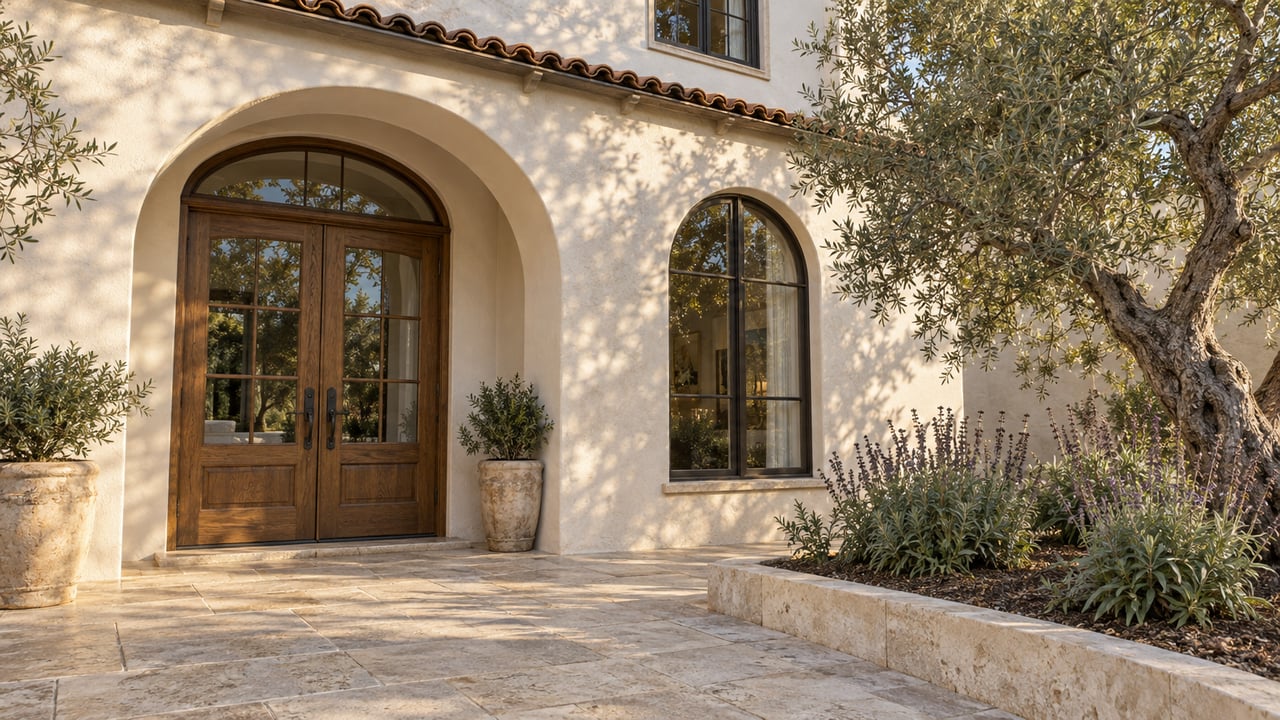
City materials also describe Mar Vista as less dense than many nearby communities, with a mix of early 20th-century single-family homes and later low-rise multi-family pockets. Los Angeles planning notes that the area includes both single-family and multi-family neighborhoods, including the Gregory Ain Mar Vista Tract, a 52-parcel single-family HPOZ.
For many buyers, that creates a useful middle ground. You get a Westside location with a more house-oriented feel than some nearby coastal markets, while still staying connected to the beach, Culver City, and major job centers.
Compare Prices Across the Westside
Current market figures show that Mar Vista sits near the top of this four-neighborhood comparison on price. Based on the latest Redfin market pages cited in the research report, Mar Vista has a median sale price of $1,995,000, Venice is at $1,999,000, Santa Monica is at $1,824,000, and Culver City is at $1,390,000.
That means Mar Vista is much closer to Venice than to Culver City on price. If your goal is finding a lower headline price among these options, Culver City stands out most clearly. Santa Monica lands in the middle, while Mar Vista and Venice compete at nearly the same level.
Market pace matters too. The research report notes that Mar Vista is currently described as very competitive, with homes going pending in about 48 days and many receiving multiple offers. Venice, Santa Monica, and Culver City are each described as somewhat competitive, with longer average days on market in this comparison.
What Your Budget Buys
Price is only one piece of the story. The more useful question is often: What kind of home and lifestyle are you getting for that price point?
In Mar Vista, city and planning sources point to a lower-density setting with a meaningful single-family presence and some low-rise multi-family pockets. That usually makes it a strong fit if you are focused on detached homes, residential streets, and a neighborhood pattern that feels more traditional than urban.
Venice has a denser coastal profile. Los Angeles planning says the community includes the beach and boardwalk, extends inland toward Mar Vista and Culver City, and had 21,915 dwelling units in its 2022 demographic profile, with 60.8% renter-occupied and 39.2% owner-occupied units. That points to a more mixed, more coastal, and often more compact housing environment.
Santa Monica offers a broader housing mix, but it is more apartment-heavy overall. The city reports about 52,529 dwelling units, with housing types ranging from single-family homes to multi-story apartment buildings, and notes that the stock is primarily multi-family rental units in the aggregate, as outlined in its housing element materials.
Culver City sits somewhere in between. Its housing element says the city is almost evenly split between single-family units at 48% and multi-family units at 51%, with detached homes and large multi-family complexes each making up about 39% of the housing stock.
Housing Style by Neighborhood
If you are deciding based on housing type first, this quick framework can help:
- Choose Mar Vista if you want a more residential Westside neighborhood with a meaningful single-family presence and lower density.
- Choose Venice if coastal character matters more than a lower-density environment.
- Choose Santa Monica if you want an urban setting with a wide range of housing options and a stronger apartment and condo presence.
- Choose Culver City if you want a more approachable median price and a balanced mix of houses and multi-family housing.
This is where Mar Vista becomes especially compelling for certain buyers. It is not necessarily the cheapest option, but it can offer a specific kind of value if your goal is a house-oriented Westside lifestyle.
Transit and Commute Differences
Your day-to-day routine can shape this decision just as much as price. If commute style, rail access, bikeability, or driving flexibility matters to you, these neighborhoods differ in meaningful ways.
Mar Vista is best described as car-flexible with useful alternative transportation options. Los Angeles planning says the area is traversed by freeways and Metro transit lines, with I-405 running through the community area. The planning document also notes that LADOT's LAnow on-demand service serves Mar Vista, and that the neighborhood benefits from connections to the Ballona Creek Bike Path and Culver Boulevard Bike Path.
Venice leans more toward coastal walkability and bike access than rail-based commuting. Planning materials say Venice is not conveniently located along major Metro stations and does not have an extensive public transit network, though several local bus lines serve key corridors and bike lanes support access to the coast.
Santa Monica has the strongest transit profile in this group. The city recently adopted a five-year Big Blue Bus service enhancement plan focused on more frequent service, longer hours, and improved connectivity to key regional transit centers.
Culver City is also strong on transportation. The city says its transportation department operates seven regular bus routes plus one BRT route, and its mobility planning connects Downtown Culver City with the E-Line station and nearby districts through dedicated mobility lanes.
Lifestyle Fit for Buyers
Each neighborhood offers a different version of Westside living. The right choice depends on what matters most in your daily life.
Mar Vista tends to fit buyers who want a residential rhythm with neighborhood amenities woven in. The local library, farmers market, recreation center, neighborhood associations, and residential character all support that identity, according to the city's Mar Vista neighborhood page.
Venice is the clear lifestyle pick if you want the coast to be front and center in your decision. Planning materials highlight Venice Beach, the Boardwalk, the canals, and direct pedestrian and bike access to the ocean. The same planning materials also note coastal hazards, sea-level-rise vulnerability, and added coastal-zone regulatory complexity, which can be important for buyers to understand.
Santa Monica reads as the most urban and amenity-rich option in this comparison. Based on the city's housing and transit policies, buyers here often trade larger lots and yard space for convenience, transit access, and a more built-out city environment.
Culver City often appeals to buyers who want Westside access with a stronger connection to downtown jobs, transit, and regional mobility. It can be especially appealing if you like the idea of a more connected urban core without paying a coastal premium.
Which Buyers Should Choose Mar Vista?
Mar Vista makes the most sense if you are looking for a residential middle ground on the Westside. It is less dense than nearby coastal communities, more house-oriented than much of Santa Monica or Venice, and still well positioned for access to the beach, Culver City, and major Westside destinations.
That said, it is important to go in with the right expectations. You are not choosing Mar Vista because it is dramatically cheaper than Venice. You are choosing it because the neighborhood may better match the way you want to live.
Mar Vista may be the right fit if you want:
- A lower-density feel on the Westside
- More focus on detached homes and residential streets
- Access to neighborhood amenities like a farmers market and recreation center
- Bike path connections and practical driving flexibility
- A location that sits between coastal access and inland job centers
Final Thoughts for Westside Buyers
When you compare Mar Vista with Venice, Santa Monica, and Culver City, the decision becomes less about finding one universally "best" neighborhood and more about matching the neighborhood to your priorities. Mar Vista stands out for buyers who want residential character, housing variety, and a practical Westside location, even if it does not come with a major price discount.
If you want help weighing these trade-offs in real time, the right guidance can save you time and sharpen your search. For a tailored strategy based on your budget, commute, and lifestyle goals, schedule a private consultation with Shelton Wilder.
FAQs
How does Mar Vista compare to Venice on price for buyers?
- Mar Vista and Venice are nearly tied on median sale price in the research report, with Mar Vista at $1,995,000 and Venice at $1,999,000.
What kind of housing stock can buyers expect in Mar Vista?
- Mar Vista is described by city and planning sources as a lower-density neighborhood with both single-family and multi-family areas, including a strong traditional residential presence.
Is Mar Vista or Santa Monica better for transit-focused buyers?
- Santa Monica appears stronger for transit-focused buyers based on its Big Blue Bus service improvements and broader transit connectivity, while Mar Vista is better described as car-flexible with bike path access and on-demand service.
Why might a buyer choose Culver City instead of Mar Vista?
- Culver City has the lowest median sale price in this comparison and offers strong transit and downtown connectivity, which may appeal if budget and regional access are top priorities.
What makes Mar Vista a good Westside neighborhood for buyers?
- Mar Vista can be a strong fit if you want a more residential Westside environment with neighborhood amenities, lower density, and access to both coastal areas and inland job centers.