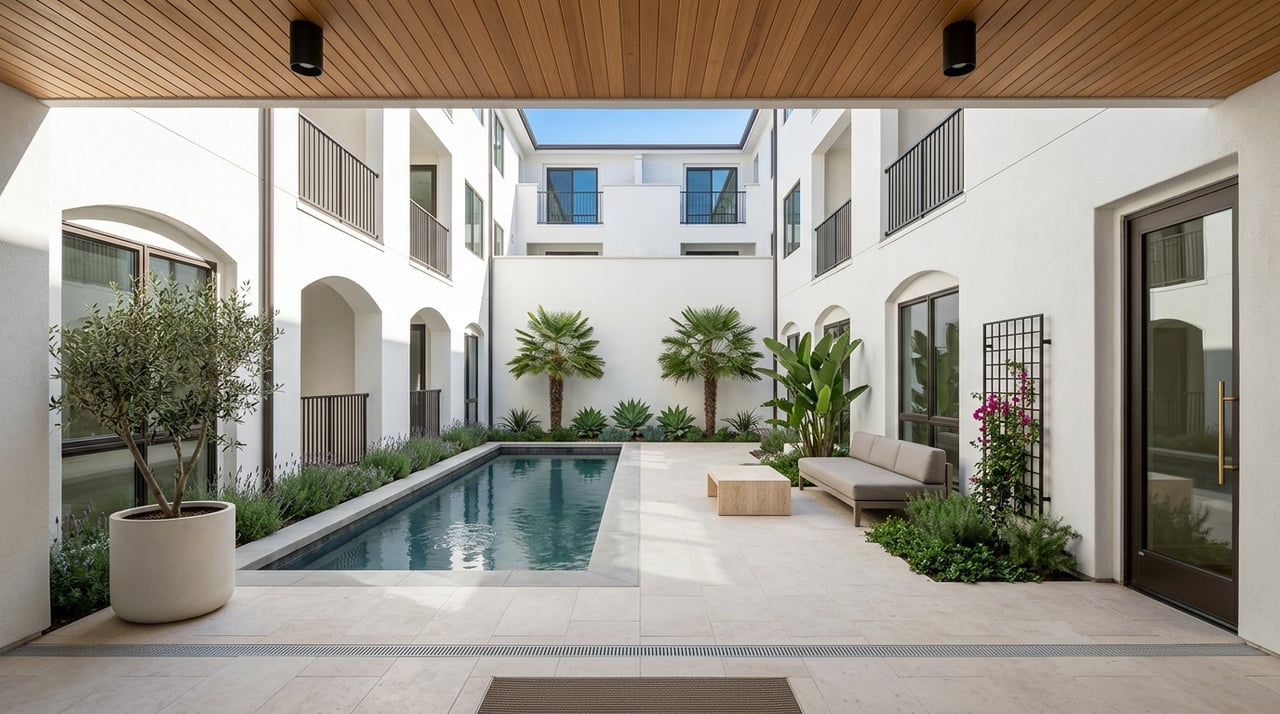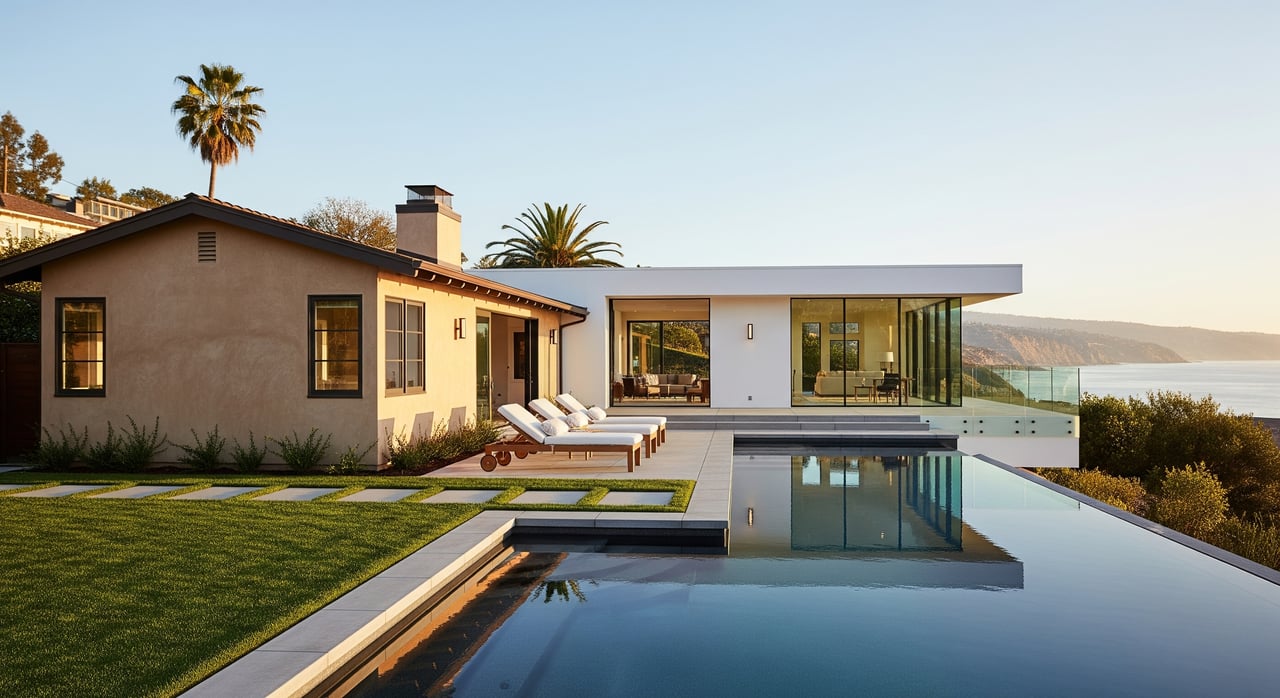
Torn between a sparkling new build and a beautifully renovated classic in Pacific Palisades? You’re not alone. In a high-value coastal market with limited inventory and varied lot types, this choice can shape your lifestyle and long-term costs. In this guide, you’ll compare what each path means for layout, maintenance, energy efficiency, permits, financing, and resale. Let’s dive in.
Pacific Palisades context
Pacific Palisades sits within the City of Los Angeles and offers a mix of flat village areas and hillside or bluff lots. Many homes date to the mid-20th century, while newer contemporary rebuilds are common on infill parcels. Limited inventory, especially on large or view lots, keeps competition strong. Buyers here often prioritize design, outdoor living, privacy, and efficient systems.
Local rules matter. Most projects permit through the City of Los Angeles, and some coastal or bluff parcels may require additional review. Hillside properties can add geotechnical steps that affect cost and timeline. Utility service is generally through the City of Los Angeles, which can influence electrification and solar decisions.
New build: what to expect
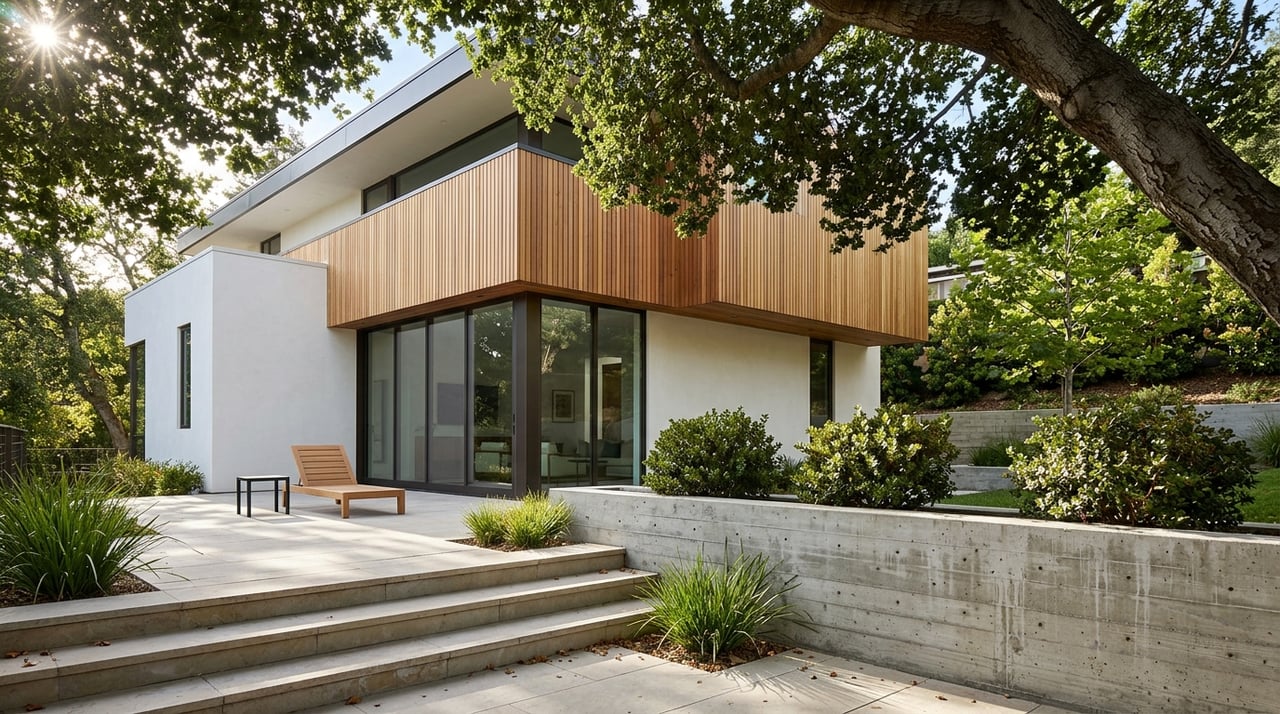
New construction gives you modern layouts, integrated indoor-outdoor living, and today’s systems. Expect open plans, larger primary suites, and tech-forward features like EV readiness and smart home wiring. Maintenance is typically lighter for the first decade due to new roofs, systems, and warranties. Timelines are longer, and permitting can be more complex, especially on hillside or coastal lots.
Renovated homes: what to expect
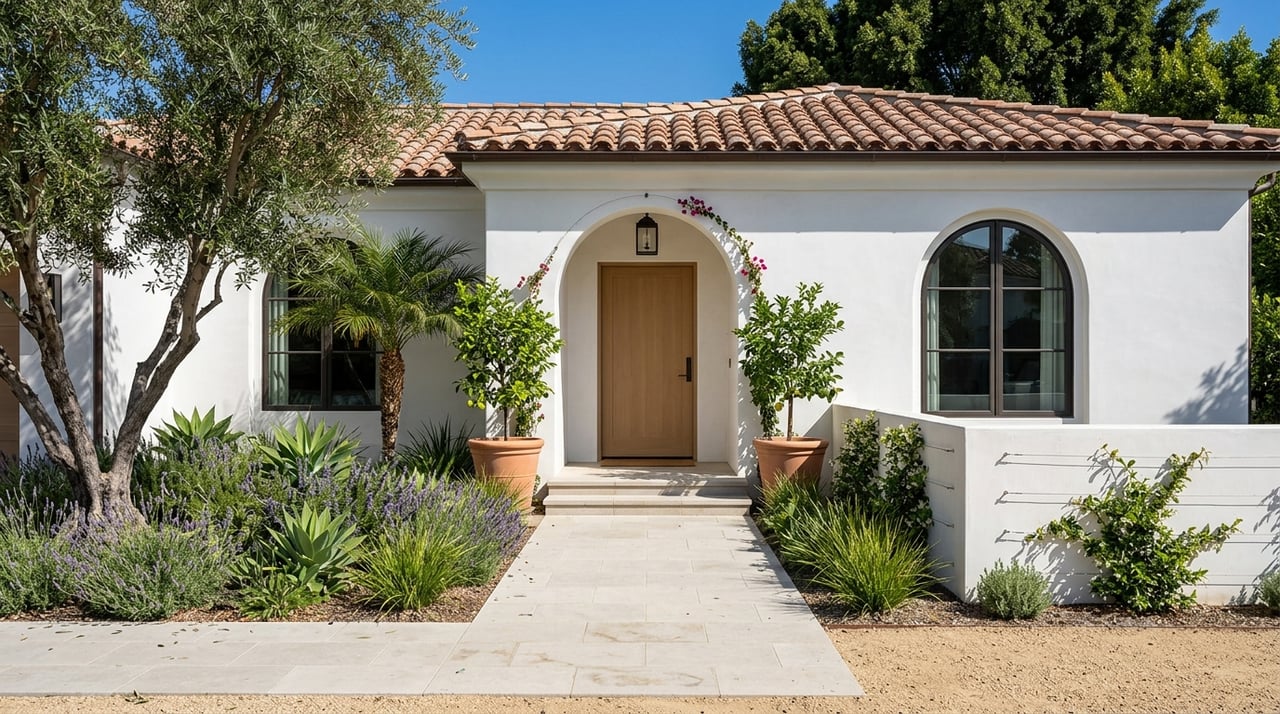
Thoughtfully renovated homes can blend character, mature landscaping, and updated systems. You may find bespoke finishes and preserved architectural details that feel uniquely Palisades. Layout changes are possible, but load-bearing walls and existing footprints can limit major reconfigurations without structural work. Maintenance depends on how comprehensive the renovation was and which systems were replaced.
Side-by-side comparison
Lifestyle and layout
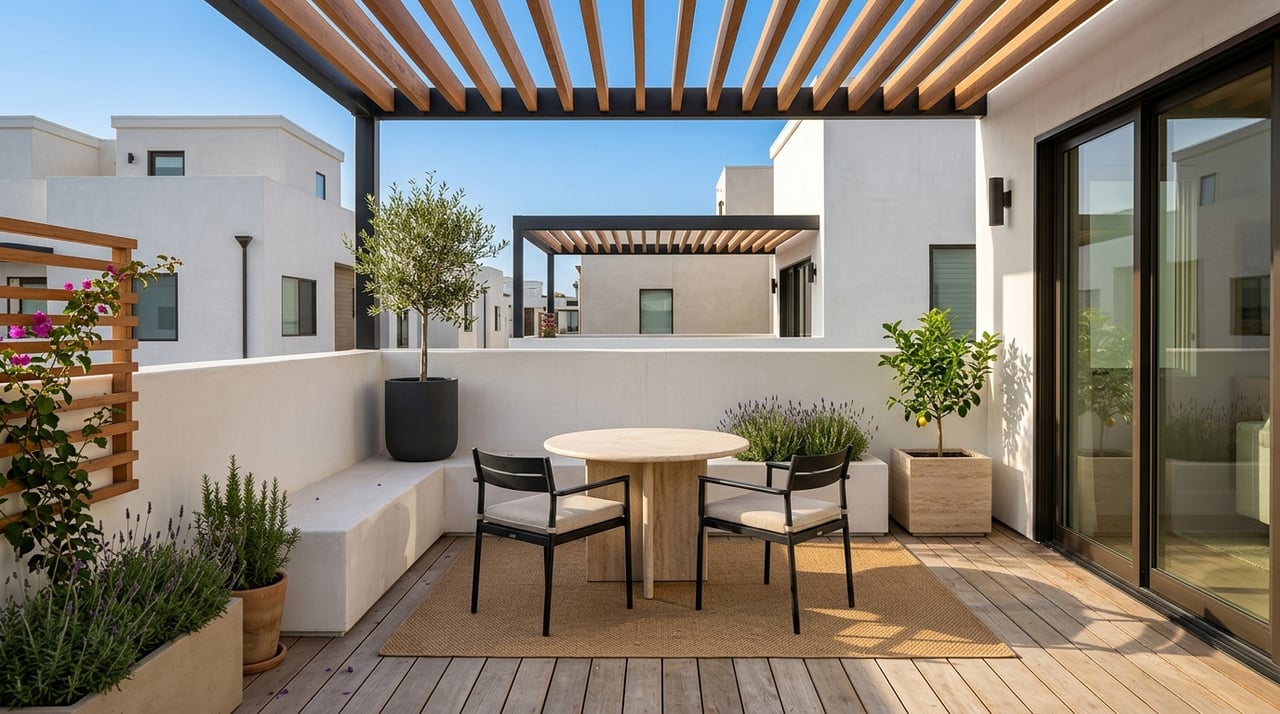
- New build: Modern flow, large glass openings, and seamless indoor-outdoor living. ADU integration is easier to plan from scratch.
- Renovated: Maintains neighborhood character and established lots. Some layouts may be harder to fully modernize.
Maintenance and short-term costs
- New build: New systems and materials reduce surprises and often come with warranties.
- Renovated: Upgraded systems lower maintenance, but partial updates can leave older components that need attention later.
Finish quality and customization
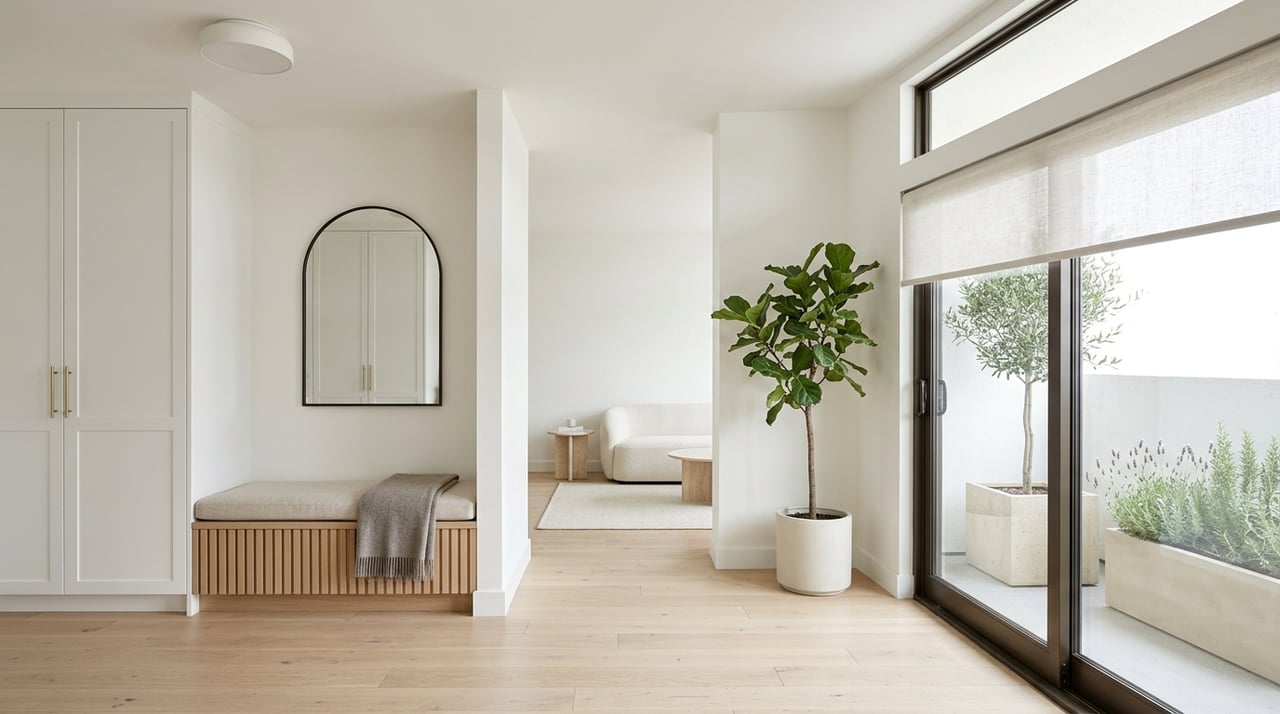
- New build: High ceilings, abundant glazing, and turn-key modern finishes are common. Custom choices are possible during design.
- Renovated: Can deliver artisan details and a tailored feel. Quality varies by contractor skill and scope.
Energy, sustainability, and code
- New build: Must meet current California energy standards, including photovoltaic requirements for many new homes, and typically supports full electrification and EV readiness.
- Renovated: Energy upgrades are achievable, but deep retrofits can be costlier on an older shell and may trigger broader code updates.
Resale prospects and demand
- New build: Appeals to buyers seeking modern living and low maintenance, and may command a premium when well executed.
- Renovated: Tasteful updates that respect neighborhood scale can perform well, especially on desirable lots or close to key amenities.
Neighborhood fit and scale
- New build: Risk of overbuilding relative to lot size or block character, which can narrow the buyer pool.
- Renovated: Often preserves scale and a classic Palisades feel that many buyers value.
Costs, timelines, and permits
Typical timelines
- New construction: Design, entitlements if needed, permits, and build often span 12 to 36 months based on site complexity.
- Major renovation: Design, permits, and construction commonly range from 4 to 12 months or longer depending on scope and plan checks.
Permitting and reviews
- City of Los Angeles permits are required for major structural, electrical, plumbing, and grading work.
- Hillside projects often need geotechnical reports and slope stabilization planning.
- Some coastal or bluff parcels may require additional coastal review.
- Historic or neighborhood design overlays and HOAs can add design constraints or extra steps.
Key cost drivers
- Site conditions: Slope, access, and retaining needs.
- Scope and finishes: Full rebuilds and luxury materials raise cost per square foot.
- Systems: Electrical service upgrades, seismic work, high-efficiency HVAC, and solar with optional battery storage.
- Soft costs: Architecture, engineering, permits, and contingencies that can add meaningfully to the budget.
Financing basics
New construction loans
Construction financing often covers the build with interest-only payments, then converts to a permanent mortgage. Lenders usually require approved plans, budgets, and an experienced builder.
Renovation loan options
Renovation mortgages can factor in after-repair value for underwriting. Other options include construction loans for large projects or cash and HELOCs for targeted improvements.
Taxes and insurance
Significant new construction and major additions often trigger reassessment and supplemental tax bills. Renovations that change structure or value can also lead to reassessment. During construction, you may need builders’ risk coverage or special endorsements, and coastal or hillside locations can influence premiums. Confirm details with the county assessor and your insurance advisor before closing.
Who should choose what
Family planning 5 to 10 years
If you want an open layout and outdoor play space, a high-quality renovation may be enough if the footprint works. If walls limit the plan you need, a modest rebuild can make sense. Prioritize lot, yard, and micro-location, then weigh scope.
Luxury buyer focused on tech and views
If you want state-of-the-art systems, custom design, and optimized orientation, new construction or a full teardown offers the most control. Expect a longer timeline and higher budget in exchange for bespoke results.
Downsizer seeking low maintenance
If you value turn-key living with warranties and efficient systems, a newer rebuild or recent new construction can be a strong fit. Look for low-upkeep materials and simplified landscaping.
Investor aiming for resale
If your goal is time-to-market and ROI, focus on strategic renovations such as kitchens, baths, and outdoor living. Avoid full teardowns unless the lot or view supports clear development upside.
Property evaluation checklist
- Verify zoning, allowable height and floor area, and any design overlays or HOA guidelines.
- Order geotechnical and soils reports for hillside or bluff lots.
- Confirm capacity and potential upgrade costs for sewer, water, and electrical service.
- Request early feedback on rebuild concepts through the city’s plan check process.
- Obtain rough pricing from a local architect and builder for both renovation and rebuild scenarios, including soft costs and contingencies.
- Review nearby comps for renovated homes versus new builds in your micro-location.
How to decide, step by step
- Set your total budget, including a contingency for surprises.
- Define your must-haves: bedroom count, indoor-outdoor flow, office or ADU, and energy goals.
- Match the program to the lot: if the desired plan fits the existing footprint, renovate; if not, explore a rebuild.
- Weigh timeline and disruption: if you need to move in quickly, prioritize a recent new build or a well-executed renovation.
- Consider resale: lean toward designs and finishes with broad appeal and scale that fits the block.
Ready to evaluate specific Palisades properties or walk a lot to discuss feasibility, permits, and budget ranges? Schedule a private consultation with Shelton Wilder for a tailored plan and curated on and off-market options.
FAQs
Which costs more in Pacific Palisades: new build or high-end renovation?
- New builds often cost more overall due to full systems, site work, and soft costs, while top-to-bottom renovations can approach or exceed new-build costs when scope is near a teardown.
How do permitting timelines compare for rebuilds versus renovations?
- New builds usually take longer because of full plan checks, potential entitlements, and geotechnical steps, while major renovations generally have shorter cycles but still require permits and inspections.
Will a renovation make me bring the entire house to current code?
- Scope drives compliance, and structural or mechanical work can trigger broader upgrades, so confirm requirements with city officials and your design team early.
What energy features are typical in new California homes?
- Many new single-family homes must include photovoltaic systems and meet higher efficiency standards, and they are commonly designed for EV readiness and electrification.
Are there special rules for coastal or hillside parcels in the Palisades?
- Some properties near bluffs or on slopes require additional reviews and geotechnical work, so verify site-specific requirements before you set your timeline and budget.
What financing paths exist for major projects?
- New construction typically uses a construction-to-permanent loan, while renovations can use renovation mortgages, construction loans for large scopes, or cash and HELOCs for targeted updates.