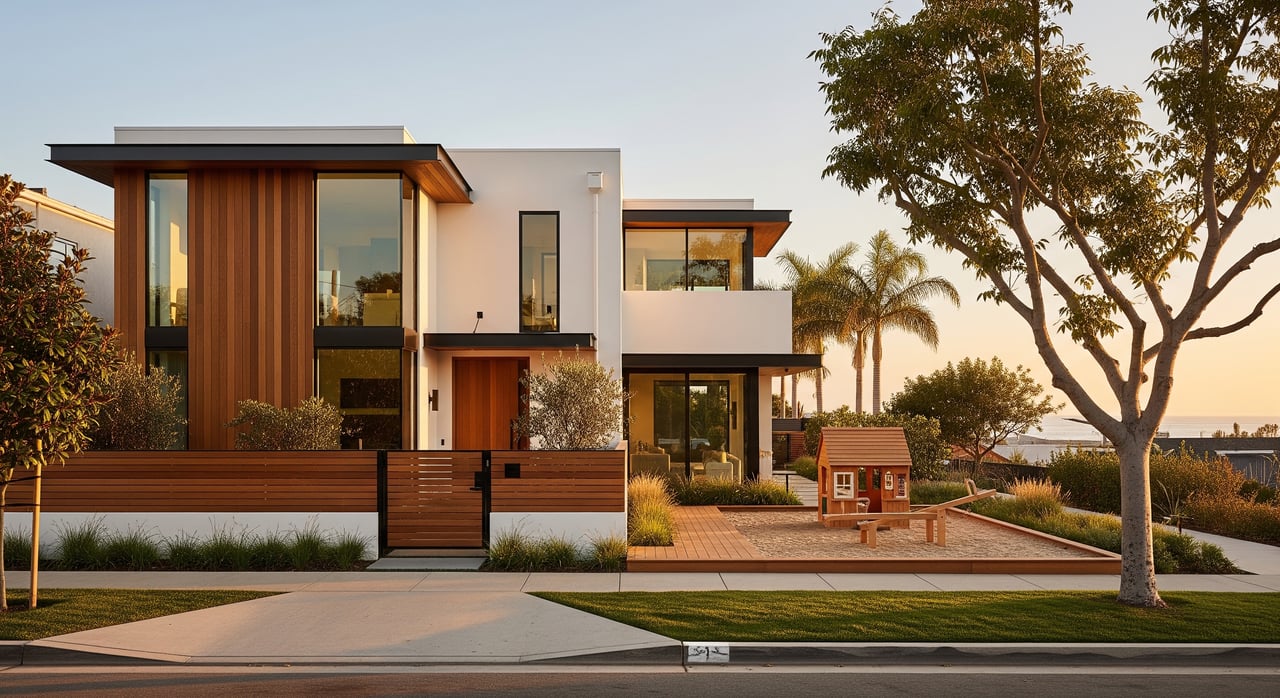
Is your family outgrowing your current place and wondering where to land in Santa Monica? You want room to spread out, access to parks and programs, and a smooth daily routine that still keeps the beach within reach. This guide breaks down the most talked‑about neighborhoods for growing families, the trade‑offs to expect, and how to evaluate schools, housing types, and everyday logistics. Let’s dive in.
How to compare Santa Monica neighborhoods
Start with your lifestyle priorities
Before you scout listings, get clear on what matters most day to day. Do you want to walk to cafes or prefer quieter, wider residential streets? Is a private yard essential or would a condo with a pool fit your routine better? Your answers shape which pockets make the most sense.
If schools matter in your search, always verify current attendance boundaries directly with the Santa Monica–Malibu Unified School District. For a data view of school performance and climate indicators, review the California School Dashboard. Pair official data with on‑the‑ground visits to feel out drop‑off, after‑school options, and commute patterns.
Space and home types: key trade‑offs
Santa Monica offers a range of options that balance cost, space, and maintenance:
- Single‑family homes: Maximum privacy and yard potential, with the highest acquisition and upkeep costs. Inventory in top pockets can be limited.
- Townhomes: Often a middle ground with multiple bedrooms and garage parking. Expect HOA dues and shared walls.
- Condos: Easiest maintenance and a lower entry price for the city, often with amenities. Outdoor space and storage are more limited.
- ADUs: Many owners add ADUs for multigenerational living or flexible space. Check city permitting rules before planning changes.
Santa Monica neighborhoods at a glance
North of Montana
Tree‑lined blocks, larger lots, and a high concentration of single‑family homes define this pocket. You’ll see historic homes and top‑tier remodels with generous floor plans and private outdoor areas. Walkability to Montana Avenue shops and dining is a highlight. The trade‑off is price and limited condo or townhome choices.
Wilshire/Montana
Between Wilshire and Montana, you’ll find a broader mix of single‑family homes, duplexes, and small multi‑unit buildings. This area offers more variety than strictly North of Montana while still feeling residential. Many blocks are walkable to markets and services along Wilshire and Montana corridors. Expect premium pricing and competition for larger properties.
Sunset Park and Mid‑City
South‑central Santa Monica offers modest lots with a strong single‑family footprint and a neighborhood feel. Families often target this area to get more house for the money while staying in the city. Parks and schools are nearby, and the daily rhythm feels less touristy. Some blocks sit closer to commercial corridors, so street‑by‑street evaluation is helpful.
Ocean Park, Main Street, and the Pico Neighborhood
If you want a beach‑adjacent lifestyle, this cluster blends bungalows, townhomes, and condos with a village vibe. You’ll trade some yard space for proximity to sand, bike paths, and local cafes. Townhomes and condos can be a cost‑savvy way to stay close to the coast, noting HOA dues and storage trade‑offs. Parking and seasonal traffic need a closer look near the beach and Main Street.
Downtown and the Waterfront
High‑rise condos, live‑work lofts, and amenitized buildings dominate here. You get instant access to shopping, dining, the Santa Monica Pier, and the beach. Families who value walkability and building amenities may find a good fit. The trade‑offs are noise, tourist flow, and limited private outdoor space.
Santa Monica Canyon and north of PCH
Nestled by the bluffs and near Pacific Coast Highway, this pocket offers a quieter, tucked‑away feel with a mix of single‑family homes. Nature and privacy stand out, and the beach is still close. Inventory is limited, and commute patterns to central LA vary. If you want calm and coastal, this area can be compelling.
Schools and enrollment essentials
Public K‑12 schools are administered by the Santa Monica–Malibu Unified School District. Attendance boundaries can shift, so confirm a property’s assigned schools on the district site before you write an offer. For academic and climate indicators, consult the California School Dashboard, which reports test data, graduation rates, and other measures.
Ratings and reviews from third‑party sites can offer parent perspectives but are subjective. Use them alongside official data and school visits. Popular schools may have waitlists or capacity constraints, so staying within a boundary often simplifies enrollment. If you are exploring special programs, review district pages for language immersion, magnet options, or arts pathways.
Childcare and enrichment are in high demand. The City of Santa Monica offers after‑school programs, camps, and youth sports through its parks network. Start early on preschool and daycare waitlists, and consider a mix of Montessori, cooperative, faith‑based, and in‑home providers to broaden options.
Parks, programs, safety, and daily life
Parks and recreation
Santa Monica’s parks system is a major family asset. Palisades Park, Tongva Park, Douglas Park, Virginia Avenue Park, Memorial Park, and the Santa Monica Swim Center offer playgrounds, open space, and seasonal programs. Explore programs and facilities through the city’s parks and recreation pages. The beach and bike paths provide year‑round outdoor time, from stroller walks to weekend surf lessons.
Getting around
Many families pair one car with transit or bikes to cut stress. Big Blue Bus connects neighborhoods across the Westside; routes and passes are on the Big Blue Bus site. The Metro E (Expo) Line links Santa Monica to the rest of LA, which can simplify some commutes. Beach and downtown traffic can spike on weekends and holidays, so plan errands accordingly.
Safety and parking
Santa Monica is a vibrant urban beach city. Property crimes like theft and vehicle break‑ins are more common near tourist and beach parking areas, and trends vary by block. Review the Santa Monica Police Department crime mapping and monthly reports to understand current patterns. Many residential areas use on‑street permit programs; check rules and guest options on the city’s parking information page.
Environmental notes
If you are considering properties near the coast or bluffs, review local regulations and long‑term planning. Learn about coastal permitting and guidance through the California Coastal Commission. Evaluate flood exposure using the FEMA Flood Map Service Center. These checks help you plan for insurance, maintenance, and any future improvements.
Budget, financing, and resale considerations
- Price bands: Many single‑family purchases in prime pockets exceed conforming loan limits, so jumbo financing is common. Plan for a strong down payment to manage monthly costs.
- Taxes: Properties in California are assessed on sale under Prop 13 rules. Ask your tax advisor how a purchase price would impact annual property taxes and any local assessments.
- Condition and upgrades: Many homes are older. Budget for inspections and potential seismic, foundation, and systems upgrades. Condos and townhomes shift some maintenance to the HOA, but dues and rules apply.
- Insurance: Coastal proximity can affect insurance costs. Earthquake and flood policies are separate from standard homeowners insurance.
- Resale: Single‑family homes in sought‑after pockets tend to see steady demand. Condos and townhomes can be more sensitive to market shifts, building condition, and HOA health.
Quick neighborhood checklist
Use this list when you compare pockets and properties:
- Schools: Which elementary, middle, and high school boundaries apply? Verify on the SMMUSD site and review the California School Dashboard.
- Commute: Drive times at peak hours and transit access via Big Blue Bus. Test your route in real conditions.
- Day‑to‑day: Distance to grocery, pharmacy, pediatrician, and childcare. Check walkability to parks and essentials.
- Outdoor space: Yard size, patios, and proximity to beaches, playgrounds, and fields.
- Parking: On‑street permits, garage capacity, and guest parking options. See the city’s parking page.
- Safety: Recent local crime data from the Santa Monica Police Department, plus lighting and pedestrian activity checks at night.
- HOA and rules: Dues, reserves, rental restrictions, and pet policies for condos and townhomes.
- Future changes: City planning or nearby developments that might affect noise, traffic, or shade.
- Environmental: Flood zone via FEMA maps and any coastal considerations with the California Coastal Commission.
- Pricing and liquidity: Recent comparable sales and time on market by pocket and property type.
Ready to tour the right pockets for your family?
You deserve a home that supports your next chapter without sacrificing the Westside lifestyle you love. If you want help prioritizing neighborhoods, uncovering off‑market options, and planning smart renovations or staging, let’s connect. Schedule a private consultation with Shelton Wilder to map your path in Santa Monica.
FAQs
Which Santa Monica areas often offer more space for the price?
- Sunset Park and parts of Mid‑City typically provide relatively larger single‑family options compared to beach‑adjacent pockets, though pricing varies by block and condition.
How do school boundaries influence a home search in Santa Monica?
- Boundaries determine a property’s assigned schools, and policies can change. Always confirm on the SMMUSD website before making offers.
What are the trade‑offs of buying near the beach versus inland?
- Beach‑adjacent homes offer coastal access and walkability but may have less private outdoor space, more tourist activity, and higher parking demand. Inland pockets often provide larger lots and quieter streets.
Are childcare and after‑school programs easy to find?
- Demand is high, so start early. The city’s parks and recreation pages list youth programs, and private preschools often use waitlists.
Does living near the ocean affect maintenance or insurance?
- Coastal exposure can influence maintenance and insurance needs. Review flood risk via FEMA and consider separate earthquake coverage.
How does parking work in residential areas close to downtown and the beach?
- Many streets use permit programs with guest passes and time limits. Check block‑specific rules on the city’s parking information page.