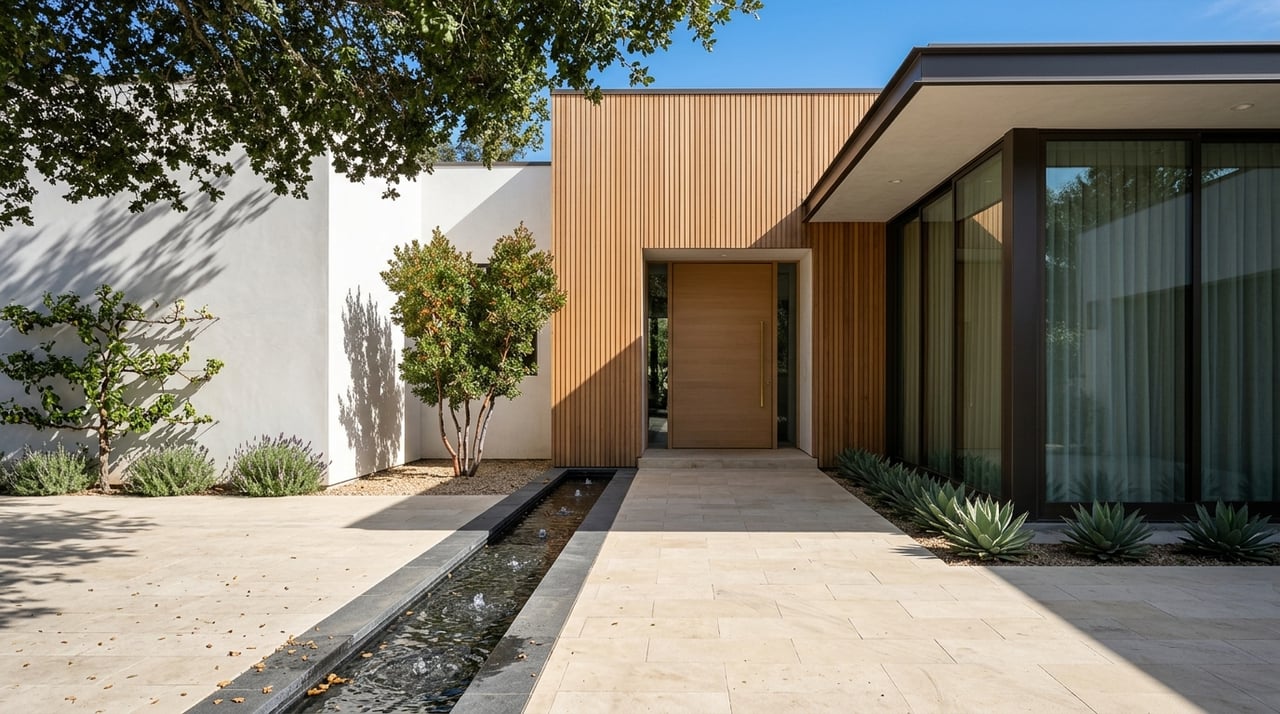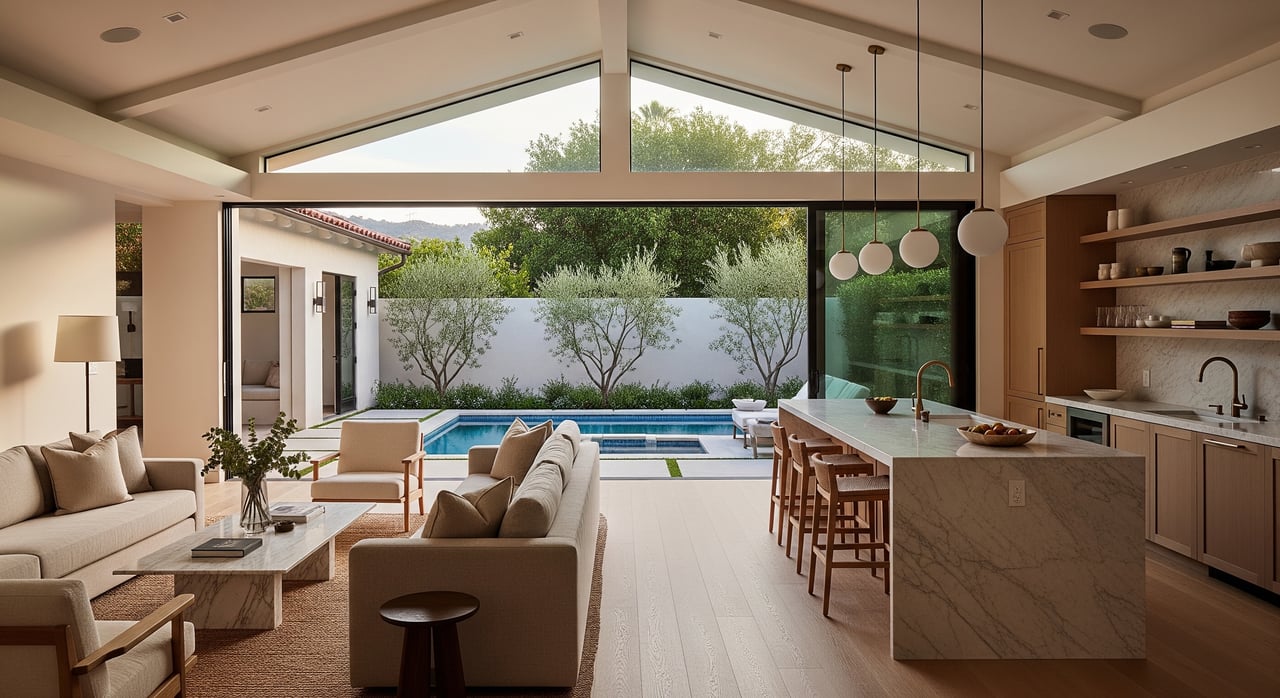
Is your Brentwood property sitting between leasing and selling, and you are not sure which path earns more while protecting your time and privacy? You are not alone. High‑value rentals move on a different clock, and small choices in pricing, terms, and presentation can change your yield and your tenant pool. In this guide, you will learn how to structure pricing bands, choose the right lease term, prepare the home, market with intent, and run a quick ROI analysis to support your decision. Let’s dive in.
Quick owner checklist
- Legal and HOA: confirm rent‑control status, AB 1482 applicability, HOA rental rules, and short‑term restrictions. Clarify security deposit limits and registration needs before marketing.
- Property readiness: complete repairs and servicing, stage or furnish, book professional photos and a 3D tour, and prep a tenant info packet.
- Screening and lease terms: set uniform criteria, decide on 12, short, or long‑term, outline pet and maintenance clauses, and define renewal timing.
- Launch plan: choose channels, set a 90‑day calendar, track showings and offers, and pre‑plan a concession or price review if needed.
Brentwood market context
Brentwood’s luxury rental demand is driven by entertainment cycles, corporate relocations, and broader economic trends. In the upper tier, tenant decisions are shaped more by privacy, condition, parking, and amenities than by small price gaps. Many luxury options are single‑family homes, while condo and multifamily buildings may carry different rules through HOAs or local ordinances. Expect variability in time to lease, and plan for seasonality with stronger activity from late spring through early fall.
Legal basics to confirm
California’s Tenant Protection Act (AB 1482) sets rent‑increase limits and eviction protections for many properties, with exemptions for certain single‑family homes and newer buildings. The City of Los Angeles Rent Stabilization Ordinance generally applies to multiunit buildings built before October 1978, not most single‑family homes. Short‑term rentals are tightly regulated in Los Angeles, and many homes or condos face restrictions or registration requirements. California Civil Code 1950.5 limits security deposits for unfurnished rentals to two months’ rent and for furnished to three months. Fair housing laws require uniform, non‑discriminatory screening. Given the stakes, you should confirm your property’s specific status and obligations with a qualified attorney or the local housing department before finalizing pricing or terms.
Price strategy that works
Set pricing bands
- Market‑rate band: competitive rent based on recent closed luxury comps. Use when you want faster occupancy.
- Premium band: about 5 to 15 percent above market for exceptional features like privacy, views, pool, smart systems, or a fully renovated kitchen.
- Discount or incentive band: slightly below market or paired with concessions to accelerate leasing after extended vacancy or in off‑season.
Place your property in a band
Lean on recent closed rentals with similar location, lot, bedroom count, and amenities. Consider seasonality, the current competition, and unique selling points such as a gated driveway, elevator, or proximity to Brentwood Village or UCLA. Higher asking rents can increase expected vacancy days, so weigh the tradeoff between top‑line rent and time off market.
Concessions that move the needle
Use targeted, time‑limited incentives, such as one month free, complimentary move‑in concierge, initial housekeeping, or paying certain initiation fees. Keep concessions simple to understand and easy to value. Refresh the offer if the property remains vacant beyond 60 to 90 days.
Lease terms and furnishings
Short furnished corporate leases
Terms of 3 to 11 months suit executives on assignment and traveling professionals. These often command premium rents but require high‑quality furnishings, tighter maintenance rhythms, and more active management. Clearly outline cleaning schedules and furniture inventory in your lease.
Standard 12‑month lease
This is the stability play for predictable cash flow and straightforward screening. It reduces turnover costs and is often the default for unfurnished homes. If demand is balanced, consider a 12‑month term with a pre‑agreed renewal framework.
Long‑term leases
Terms of 24 months or more can be attractive with an excellent tenant. Offer modest concessions or a small rent‑growth structure to secure quality. Build in renewal notice timing of 60 to 90 days to protect planning windows.
Furnished vs unfurnished
- Furnished: faster deployment to corporate demand and higher rent potential, but with higher wear and more management.
- Unfurnished: simpler operations, lower turnover, and tenants who tend to stay longer. Consider virtual staging for marketing if unfurnished.
Utilities and services
All‑utilities‑included can simplify corporate leasing but may trim yield. Where possible, meter utilities and spell out responsibility for landscaping, pool service, HOA dues, and smart‑home subscriptions. Put vendor schedules and response times in the lease to set clear expectations.
Presentation that commands top rent
Visuals that sell
Invest in professional photography including twilight exteriors, floor plans, drone shots where appropriate, and a 3D virtual tour. Staging or a high‑end furniture package can materially reduce time on market. If listing unfurnished, highlight the blank‑canvas benefit and consider virtual staging for select rooms.
Smart home and privacy
Integrated security, keyless entry, smart thermostats, and pool automation influence tenant decisions at this level. Privacy features such as gated entries, camera systems compliant with local rules, and backup power increase perceived value and peace of mind.
Maintenance and readiness
Pre‑list servicing of HVAC, pool equipment, and visible systems reduces mid‑showing surprises. Address roof and structural items, clarify parking rules, and assemble permit and HOA documentation. Prepare a simple tenant guide with trash schedules, vendor contacts, and appliance manuals.
Tenant experience in the lease
Spell out landscaping and pool schedules, guest and entertaining rules, and any HOA constraints. Use clear pet policies with deposits that respect legal limits and service animal rules. Document move‑in condition with photos and standards for move‑out to reduce disputes.
Marketing plan and timeline
Channels that reach quality tenants
- Luxury broker networks and the MLS, tapping top residential teams on the Westside.
- Corporate housing partners and relocation networks for executive transferees.
- Targeted digital ads using Instagram, LinkedIn, and programmatic display focused on high‑income segments.
- Broker opens, private showings by appointment, and select lifestyle print placements to support brand positioning.
90‑day launch timeline
- Pre‑listing, weeks 1 to 2: finalize repairs, stage or furnish, shoot photos and 3D tour, prep lease packet, and confirm legal and HOA rules. Start soft outreach to agents.
- Live weeks 1 to 4: launch to MLS and broker networks, initiate targeted ad bursts, and host private showings. Track inquiries per week and offer rate per showing.
- Live weeks 5 to 8: rotate creative, adjust copy, and re‑engage brokers who toured. Consider a limited‑time concession if activity is light.
- Live weeks 9 to 12: review pricing band and reposition with fresh media if needed. If still vacant, implement a staged price or incentive adjustment.
Budget benchmarks
- Photography and staging: a focused upfront spend that often returns in speed and rent achieved.
- Digital ads: targeted campaigns in the range of about $500 to $3,000 per cycle, scaled by performance.
- Leasing commission: typically 6 to 10 percent of one year’s rent, split between listing and tenant broker.
- Property management: about 6 to 10 percent monthly for full service, higher for furnished or short‑term programs.
Metrics to track
Monitor weekly inquiries, showings, and the ratio of offers to showings. Track time on market and cost per lead from paid channels. Use these signals to decide on a creative refresh, concession, or a move between pricing bands.
Case study: 4BR Brentwood home
A 4‑bedroom single‑family home near Brentwood Village was move‑in ready with a gated entry, pool, and updated kitchen. The owner debated a premium band versus a market‑rate band. We modeled the time‑on‑market tradeoff and seasonality, and the owner chose a market‑rate band paired with a short, time‑limited housekeeping incentive. The home launched with full staging, twilight images, a 3D tour, and soft broker outreach in late spring. Showings created strong early activity, and the owner selected a well‑qualified tenant on a 12‑month lease with a pre‑agreed renewal option. The approach balanced speed, tenant quality, and predictable cash flow without deep discounts.
Sell or lease decision
Start with your liquidity needs and time horizon. Compare the net operating income to the current sale market by looking at an implied cap rate and how it stacks up to a potential sale price. Add tax considerations such as depreciation, passive income treatment, and potential 1031 exchange strategies with your tax advisor. Finally, weigh your appetite for ongoing management and the opportunity cost of capital against alternative investments.
Simple ROI worksheet
Use this quick worksheet to estimate near‑term yield and cash flow before making a final call.
Inputs to gather
| Field | Your Entry |
|---|---|
| Current market value (PV) | |
| Proposed monthly rent (R) | |
| Expected vacancy rate (V) | |
| Annual property tax | |
| Annual insurance | |
| HOA fees monthly | |
| Property management fee | |
| Monthly maintenance/reserve | |
| Annual utilities paid by owner | |
| Annual capex reserve | |
| Mortgage monthly payment | |
| Marketing/leasing budget (annual) |
Calculations
- GSAR = R × 12
- Effective gross income = GSAR × (1 − V)
- Annual operating expenses = taxes + insurance + HOA + management + maintenance + utilities + capex reserve + marketing/leasing
- NOI = Effective gross income − Annual operating expenses
- Cash flow before tax = NOI − mortgage annual payments
- Cap rate = NOI ÷ PV
- Cash‑on‑cash return = Cash flow before tax ÷ owner cash invested
Interpretation tips
- Cap rate compares asset yield to price, ignoring financing. Higher yield can signal higher risk.
- Cash‑on‑cash shows your near‑term return with financing.
- Run sensitivity by changing rent ±5 to 10 percent and vacancy ±3 to 5 percent to see upside and downside.
Ready for a private plan?
If you want a tailored pricing band, a comps‑based rent estimate, or a fillable ROI worksheet, let’s craft a plan around your property, seasonality, and goals. Schedule a private consultation with Shelton Wilder to discuss your Brentwood leasing strategy.
FAQs
When is the best time to list a Brentwood luxury rental?
- Late spring through early fall typically sees stronger luxury demand influenced by industry and relocation cycles, while winter months may require sharper pricing or targeted concessions.
Are Brentwood single‑family homes under rent control?
- Many single‑family homes are not covered by the City’s Rent Stabilization Ordinance, but statewide protections under AB 1482 may apply or be exempt depending on the home’s status; confirm for your property.
How much security deposit can I collect in California?
- California Civil Code 1950.5 generally limits deposits to two months’ rent for unfurnished rentals and three months for furnished rentals.
Can I do short‑term rentals at my Brentwood property?
- Los Angeles heavily regulates short‑term rentals, and many properties face restrictions or registration requirements; verify rules and HOA policies before marketing for short stays.
What screening standards are common for luxury tenants?
- Many owners use income‑to‑rent ratios, credit thresholds, employment and rental history verification, and background checks applied uniformly in compliance with fair housing laws.
What if my home sits vacant for 90 days?
- Refresh creative, review pricing bands, and consider a time‑limited concession or a small price adjustment while strengthening targeted outreach to broker and corporate networks.