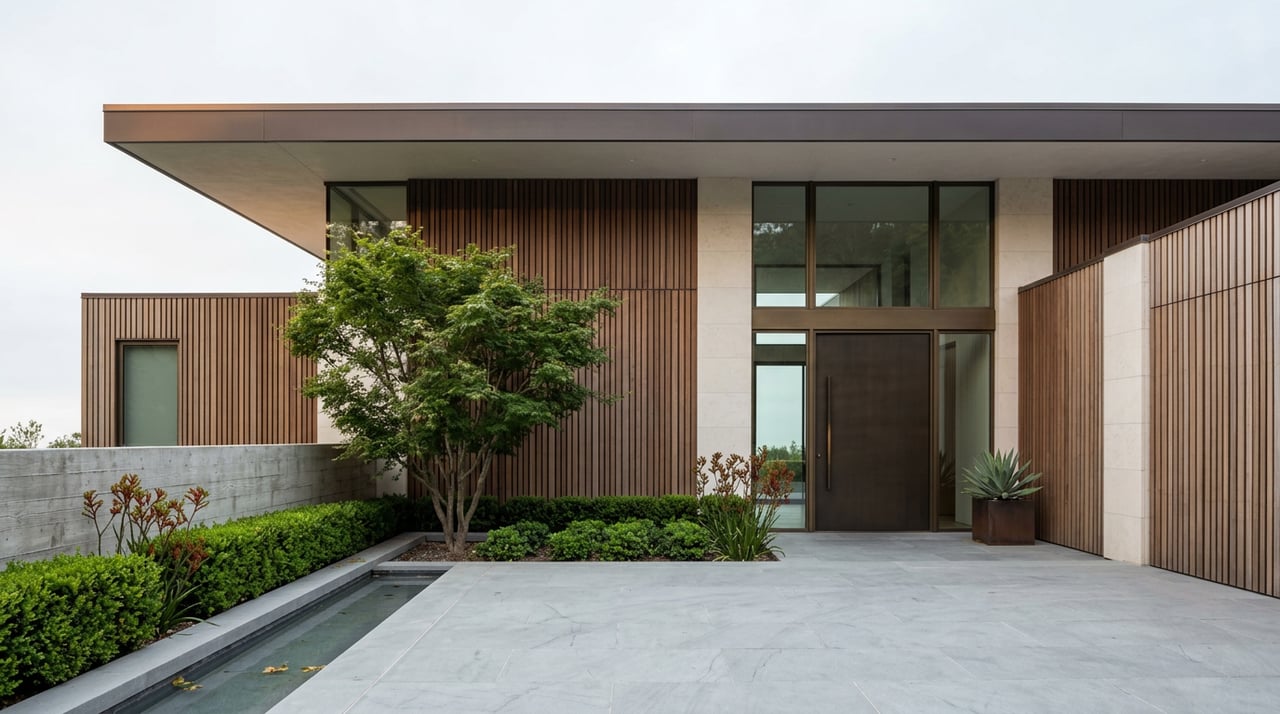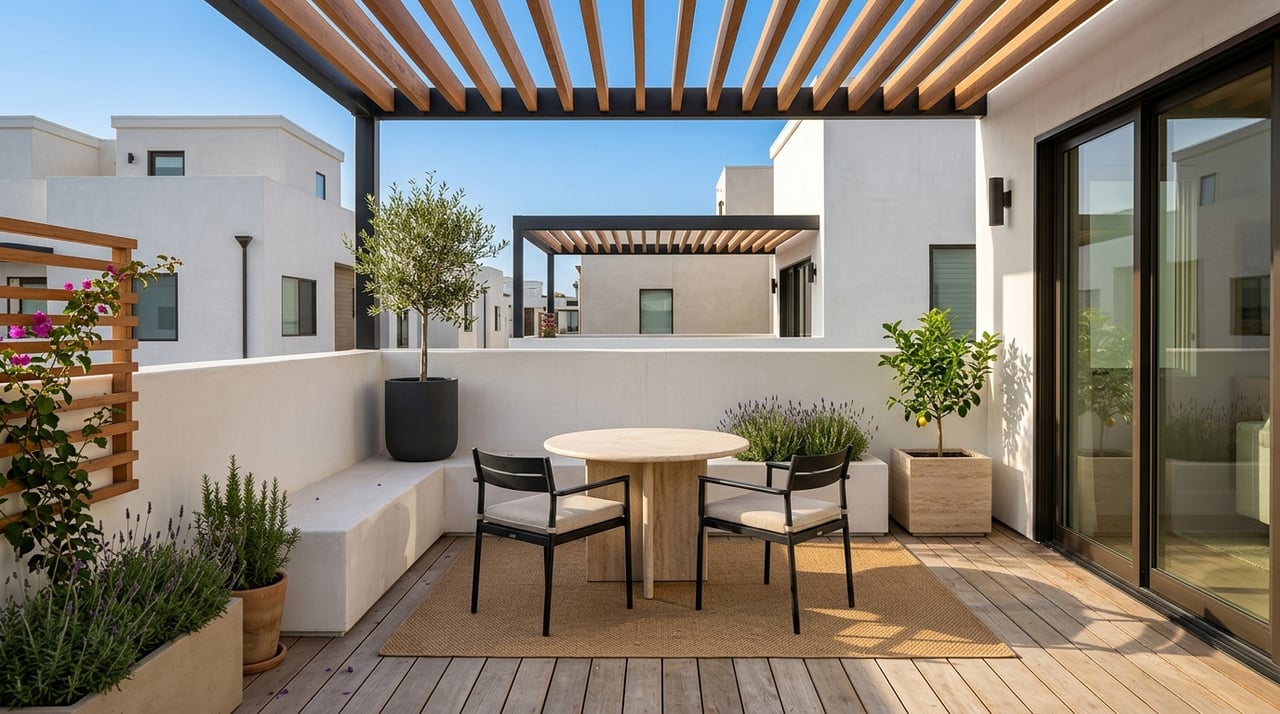
Trying to choose between a Santa Monica townhome and a condo? You are not alone, and the answer is not as simple as the listing photos might make it seem. In a compact coastal city where attached housing often opens the door to beach proximity, walkability, and easier access to major commercial streets, the right fit comes down to how you want to live and what you are actually buying. This guide will help you compare ownership, lifestyle, costs, and location so you can make a smarter move in Santa Monica. Let’s dive in.
Why the Label Can Be Misleading
In California, the words townhome and condo do not always describe ownership the way buyers expect. A condominium owner owns a separate unit plus an interest in common areas, while a planned development owner owns a separate lot or home plus common area through the HOA.
That means a property that looks like a townhouse may legally be a condo, and a home that looks detached may still be organized as a condominium. In other words, exterior style alone does not tell you what you own, what you maintain, or what the HOA controls.
What to Review Before You Decide
The most important documents are the recorded CC&Rs, the HOA budget, reserve disclosures, and the title structure. These tell you far more than the listing label about maintenance responsibilities, shared areas, and long-term costs.
If you are comparing two similar-looking properties in Santa Monica, this paperwork may reveal very different ownership realities. One may give you more direct control over certain spaces, while another may place more responsibility on the association.
How Santa Monica Shapes the Decision
Santa Monica’s geography changes the condo versus townhome conversation. The city covers about 8.3 square miles, includes 3 miles of Pacific beaches, and offers transit connections such as the Expo Line to Downtown Los Angeles.
Because the city is compact and coastal, attached housing is often the practical path if you want to buy closer to the ocean or near active commercial corridors. For many buyers, that makes the choice less about whether to buy attached housing and more about which type of attached housing fits best.
Downtown Santa Monica Appeal
Downtown Santa Monica spans about 236 acres and is bounded by Wilshire Boulevard, Lincoln Boulevard, I-10, and Ocean Avenue and Palisades Park. It blends residential uses with retail, restaurants, hotels, entertainment, and office space.
If you want a more urban, car-light lifestyle near the Promenade, Santa Monica Place, and the beachfront core, condos often stand out here. The convenience factor can be a major draw when your priority is being close to daily activity.
Ocean Park Lifestyle
On the southwest side, Ocean Park is described by the city as a mix of low- to mid-rise multifamily housing with interspersed single-family homes. Main Street serves as its main commercial street and sits two blocks from the beach.
For buyers who want beach access with neighborhood street life, this area can feel like a sweet spot. Depending on the project, both condos and townhome-style homes may work well here, but the feel can be different from a more urban downtown setting.
Wilshire and Montana Tradeoffs
Wilshire Boulevard is a major transportation corridor, and the Wilshire Montana area is largely multi-family with scattered single-family homes. Montana Avenue is a local commercial street with low-scale retail, and there is multi-family development south of it.
These corridors matter when you are weighing a quieter residential block against easier access to shops, services, and transit. In Santa Monica, that location tradeoff can matter just as much as the property type itself.
Townhomes vs Condos in Daily Living
When buyers picture a townhome, they often imagine more privacy, more vertical living, and a more house-like setup. California guidance supports the idea that townhomes are usually side-by-side rather than stacked and often rise two or more stories.
But townhome is an architectural style, not a legal ownership category. A townhome-style property can be set up as a condominium or a planned development, so your day-to-day experience depends on more than the building shape.
Privacy and Layout
Townhome-style homes often appeal to buyers who want more separation from neighbors and a layout that feels more like a single-family home. Multiple levels can help create clearer separation between living areas and bedrooms.
Condos can still offer an excellent fit if convenience and simplicity are your priorities. In many Santa Monica locations, especially near denser mixed-use areas, condos may offer a streamlined way to enjoy a lock-and-leave lifestyle.
Outdoor Space May Surprise You
Many buyers assume a townhome automatically comes with better outdoor space. In reality, California common interest development rules allow exclusive-use common areas to include patios, balconies, private yards, driveways, and parking spaces.
So either a condo or a townhome-style property may offer usable outdoor space. The real question is what the governing documents say about that space and who is responsible for maintaining it.
HOA Dues Matter, But Context Matters More
Monthly dues are easy to compare, but the smarter question is what those dues actually cover. In a common interest development, owners share common areas, and the association is generally responsible for repairing, replacing, or maintaining those common areas.
Owners are typically responsible for their separate interest and any exclusive-use common area. That division of responsibility can vary by project, which is why one Santa Monica property may feel low-maintenance while another requires more owner involvement.
Why Higher Dues Are Not Always Bad
Reserve studies are meant to account for major components such as roofs and pavement. Association budgets must also disclose current reserves, replacement costs, funding methods, and possible special assessments.
In practice, dues often run higher when the HOA covers more shared systems or amenities. That is not automatically a drawback if the association is well funded and the property is being maintained properly.
Watch for Funding Gaps
A townhome-style community can still carry meaningful shared costs. Private streets, recreation areas, and other common improvements may all fall under HOA maintenance.
That means a more house-like feel does not always equal lower carrying costs. Before you write an offer, it is worth asking whether the association is financially prepared for future repairs or whether deferred maintenance could lead to large special assessments later.
Which Option Fits Your Long-Term Goals?
If your goal is convenience and easy access to a walkable Santa Monica lifestyle, a condo may be the better fit. This can be especially true near Downtown, the beachfront core, and transit-rich corridors where shared services and lower day-to-day upkeep can be appealing.
If you want a more house-like layout, more separation from neighbors, and potentially more control over your unit and any exclusive-use outdoor area, a townhome-style property may feel more aligned. For many buyers, that balance of attached living and added privacy is the draw.
Questions to Ask Before Making an Offer
Use this checklist before moving forward on either property type:
- Who maintains the roof and exterior?
- Who is responsible for patios, balconies, or yards?
- Are parking spaces deeded, assigned, or common area?
- Does the HOA maintain private streets or recreation areas?
- What does the current HOA budget show?
- How well funded are reserves?
- Are there any pending special assessments or funding gaps?
These answers often matter more than whether the listing says condo or townhome. In Santa Monica, ownership structure, HOA health, and location usually tell the real story.
A Smart Way to Compare Santa Monica Options
If you are touring homes across Santa Monica, compare each option through three lenses: ownership, cost, and lifestyle. Ownership tells you what you truly control. Cost tells you what you will carry each month and what future surprises may be coming.
Lifestyle tells you how the home connects to the Santa Monica experience you want, whether that means Downtown energy, Ocean Park street life, or access to corridors like Wilshire, Montana, Pico, or Ocean Park Boulevard where the city continues to focus housing growth and corridor improvements. When you view properties this way, the right choice becomes much clearer.
If you want help sorting through the details behind the listing language, evaluating HOA documents, and finding the Santa Monica fit that matches your goals, schedule a private consultation with Shelton Wilder.
FAQs
What is the difference between a townhome and a condo in Santa Monica?
- In Santa Monica and throughout California, the key difference is ownership structure, not just how the property looks. A townhome-style home may legally be a condo or a planned development, so you need to review title documents, CC&Rs, and HOA disclosures.
Are Santa Monica townhomes always better for privacy than condos?
- Not always. Townhome-style properties are often side-by-side and multi-level, which can create a more private feel, but privacy still depends on the specific building design, layout, and project rules.
Do Santa Monica condos always have less outdoor space than townhomes?
- No. Either type may include exclusive-use common areas such as patios, balconies, yards, driveways, or parking spaces. You need to confirm what outdoor space comes with the unit and who maintains it.
How should buyers compare HOA dues for Santa Monica condos and townhomes?
- Look beyond the monthly number and ask what the HOA maintains, how strong the reserves are, and whether there are any pending special assessments. A higher monthly due may still be a better value if the association is well funded and maintaining major components properly.
Which Santa Monica locations are popular for attached housing?
- Attached housing is especially relevant in areas shaped by mixed-use and multi-family development patterns, including Downtown Santa Monica, Ocean Park, Wilshire corridor areas, and areas near commercial streets such as Main Street, Montana Avenue, Pico Boulevard, and Ocean Park Boulevard.