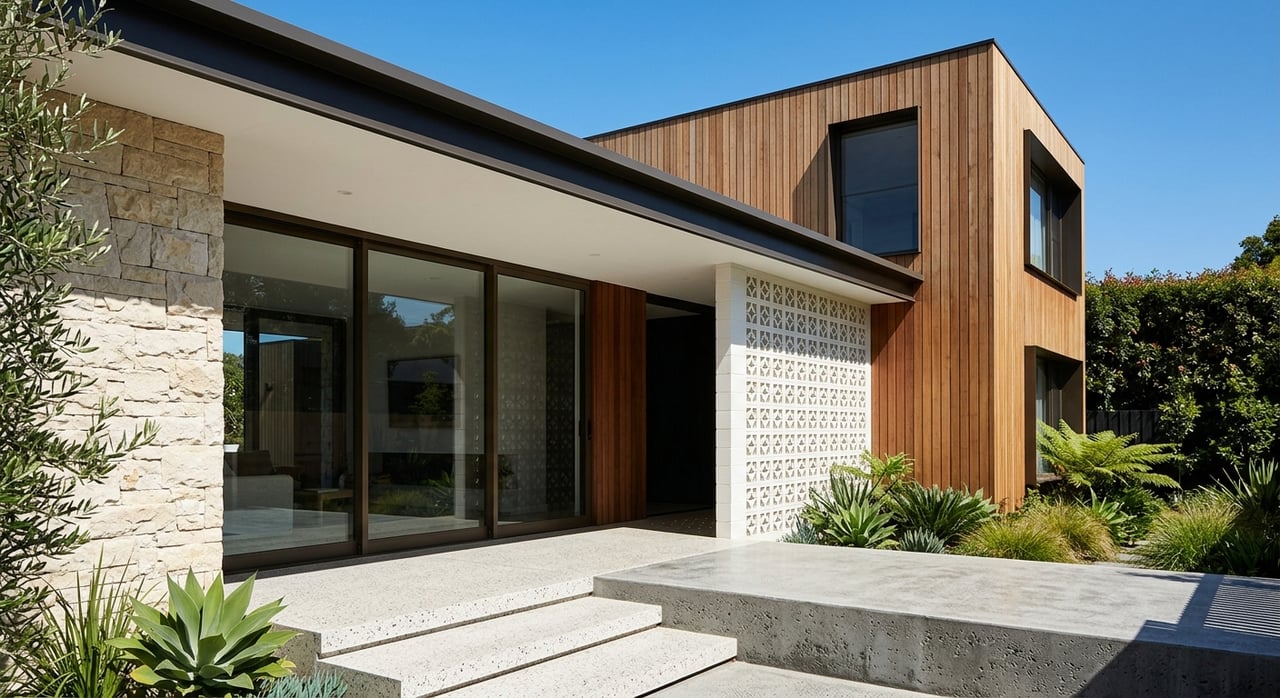
If you have ever driven through Brentwood and wondered why one street feels timeless while the next feels sleek and architectural, you are not imagining it. Brentwood is one of those rare Los Angeles neighborhoods where design history shows up block by block, shaped by early development patterns, large lots, and canyon topography. If you are buying, selling, or simply trying to understand what gives Brentwood homes their lasting appeal, this guide will help you spot the architectural styles that define the area and why they matter. Let’s dive in.
Why Brentwood Has So Many Styles
Brentwood is not defined by a single architectural look. According to SurveyLA, the broader Brentwood-Pacific Palisades area includes residential resources dating from the 1910s through the 1970s, with styles that range from Craftsman and Period Revival to Ranch, Modern, New Formalist, and Post-Modern.
That variety is part of what makes Brentwood so compelling. In earlier, flatter sections, you tend to see more traditional and period-inspired homes. In the canyons and hills north of Sunset Boulevard, postwar construction pushed farther uphill, where homes could capture canyon and city views and lean into more modern, view-oriented design.
Brentwood Park and Early Character
One of the clearest places to see Brentwood’s early architectural identity is Brentwood Park. Originally platted in 1906, it developed with large single-family homes on curving streets, traffic circles, broad lots, and mature trees.
Those planning choices still influence how the neighborhood feels today. The lot sizes, setbacks, and landscaping create a sense of space and privacy, while the street layout supports homes with more formal front elevations and gracious arrivals.
Traditional Brentwood Homes
Traditional architecture remains one of Brentwood’s signature categories. SurveyLA identifies American Colonial Revival, Spanish Colonial Revival, Tudor, and Ranch homes throughout the area, with notable examples by architects including Paul Williams, Gerard Colcord, Allen Siple, Byers & Muir, and Marston & Maybury.
For buyers, these homes often feel rooted and refined. For sellers, they tend to benefit from presentation that highlights proportion, symmetry, and the relationship between the house and its landscape.
Colonial Revival Style
American Colonial Revival homes in Brentwood often project balance and structure. You may notice orderly facades, multi-paned windows, shutters, and a more formal street presence.
This style tends to work especially well on Brentwood’s broader lots. The architecture often pairs naturally with mature landscaping, traditional entries, and a strong sense of arrival from the street.
Spanish Colonial Revival Style
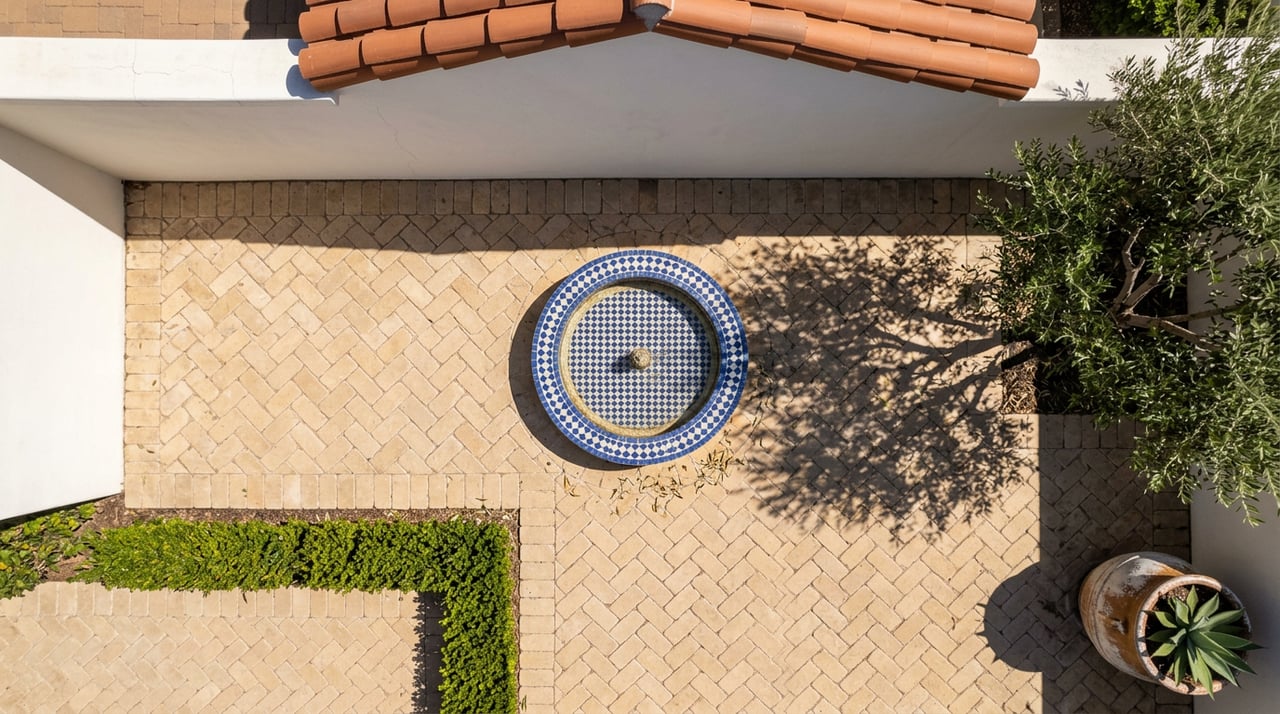
Spanish Colonial Revival adds warmth and softness to Brentwood’s architectural mix. These homes are typically associated with stucco exteriors, clay tile roofing, and a connection between indoor and outdoor spaces.
In Brentwood, the style often feels especially at home in the Southern California climate. Rather than relying on heavy ornament alone, its appeal often comes from texture, courtyard-like moments, and the way the home sits within the landscape.
Tudor and Storybook Influence
Tudor homes add another traditional layer to Brentwood’s streetscape. In a neighborhood known for stylistic variety, these homes help reinforce the sense that Brentwood developed over time rather than all at once.
For many buyers, Tudor homes stand out because they feel distinct and established. Their visual impact often comes from silhouette, materials, and detailing that creates a memorable curb presence.
Ranch Homes in Brentwood
Ranch architecture is another important part of Brentwood’s identity. SurveyLA notes ranch-influenced districts such as Riviera Ranch and Old Ranch Road, which were designed for equestrian use and include low horizontal massing, rambling plans, wood or stucco cladding, clay tile or wood shake roofs, meandering cul-de-sacs, bridle paths, and mature trees.
That design language creates a very different experience from a more formal traditional home. Ranch homes often feel relaxed, private, and easy to live in, with one-story circulation and direct access to outdoor space.
What Ranch Design Feels Like
In practical terms, ranch homes often prioritize comfort and flow. You may find less formal room separation, easier movement between living areas, and a stronger relationship to the backyard.
That is part of why ranch homes continue to resonate in Brentwood. They fit the neighborhood’s lifestyle emphasis on privacy, outdoor living, and a less rigid day-to-day experience.
Mid-Century Modern Brentwood
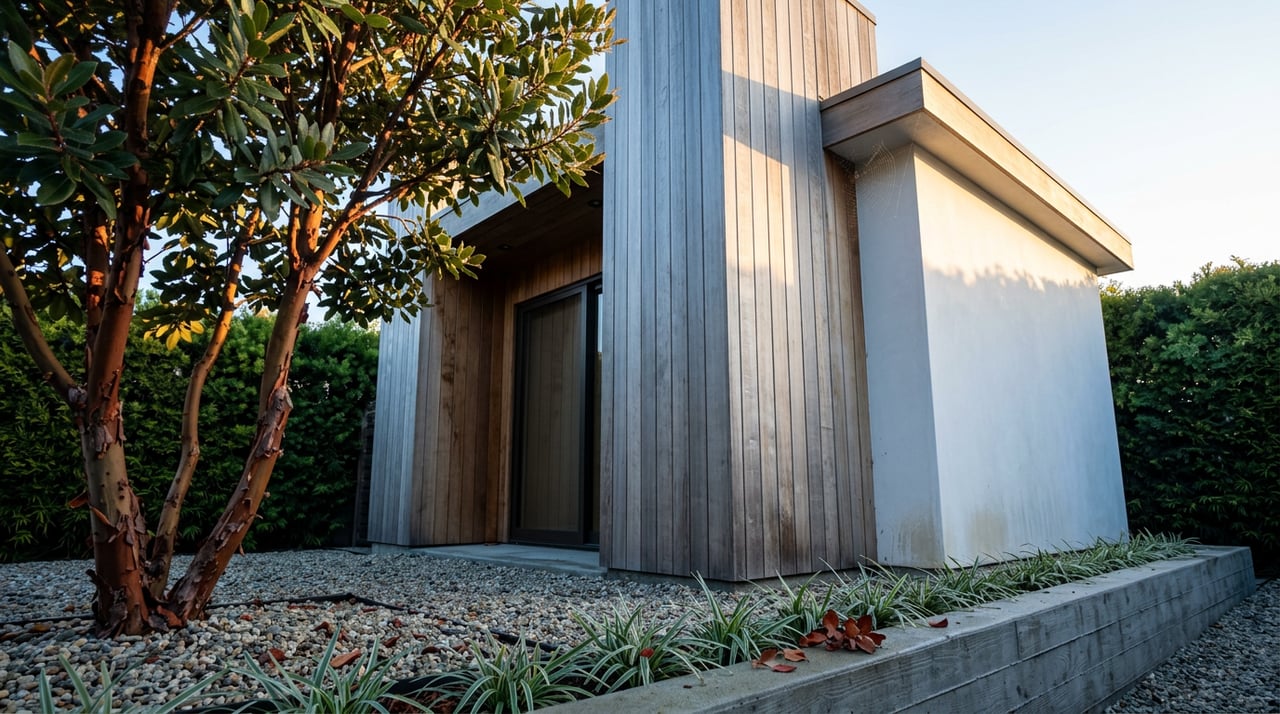
Mid-century modern is one of the most defining architectural categories in Brentwood. SurveyLA found substantial numbers of significant modern examples in the area, especially in hillside neighborhoods, and associates Brentwood with architects such as Richard Neutra, Lloyd Wright, Raymond Kappe, Craig Ellwood, A. Quincy Jones, and Richard Dorman.
These homes are not just stylish. They are often deeply responsive to the land, the view, and the Southern California climate.
Why Hillside Modern Works Here
Brentwood’s hills and canyons gave modern architects a natural advantage. A home could appear modest from the street, then open dramatically toward canyon or city views at the rear.
That pattern shows up in some of Brentwood’s best-known modern houses. It creates a sense of discovery, where the architecture unfolds as you move through the home rather than revealing everything at once.
Crestwood Hills and Design Ideals
Crestwood Hills is a strong example of how modernism took shape in Brentwood. SurveyLA notes that the Mutual Housing Association planned 500 houses there with limited grading to preserve views and maximize privacy, using concrete block, exposed redwood siding, slate roofs, and broad expanses of plate glass.
That approach reflects a core Brentwood modern ideal. The home is not imposed on the site. Instead, it works with the terrain, preserves outlooks, and creates a close relationship between structure, light, and landscape.
Indoor-Outdoor Flow Matters
In Brentwood mid-century and ranch homes, indoor-outdoor flow is not just a buzzword. SurveyLA describes a pattern of large glass walls, decks or patios off main rooms, breezeways, and plans that orient living spaces toward the view side of the lot.
For buyers, that often translates into a very specific feeling. The home lives bigger because the outdoor spaces function as part of daily life, especially on lots where the land falls away toward the canyon.
A Look at Landmark Examples
Some Brentwood homes help illustrate these architectural ideas in a very clear way. The Hunt Residence, described by the LA Conservancy as a Traditional Ranch house with Regency Revival detailing, uses a low hipped-and-gabled roof, multi-paned windows with shutters, and angled wings that create outdoor spaces connected to the interior by large windows and French doors.
That combination says a lot about traditional Brentwood design. The home presents itself with polish and structure from the street, while still creating an easy relationship with the yard and outdoor rooms.
The Sturges House offers a different but equally Brentwood response. The LA Conservancy describes it as a compact single-story pavilion in Brentwood Heights with a rear carport linked by breezeway and a 21-foot cantilevered deck over the canyon, built from brick, redwood, concrete, and steel.
This is classic Brentwood modernism. The street-facing side stays restrained, while the rear elevation engages the site in a much more dramatic way.
Contemporary Brentwood Homes
Brentwood’s architectural story does not stop in the mid-century era. SurveyLA also identifies late modern and post-modern residences in the area, and today many contemporary Brentwood homes take the form of newer custom builds or substantial remodels.
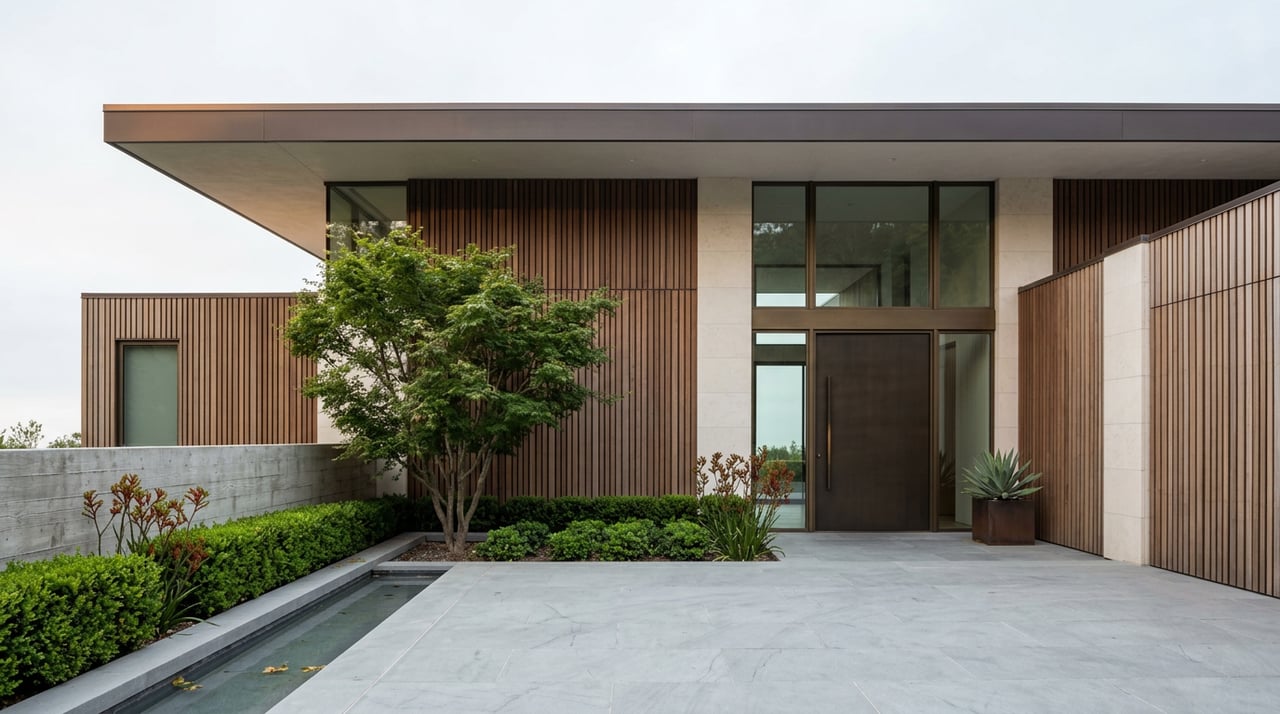
In market terms, contemporary homes in Brentwood often emphasize open-concept plans, large windows, clean lines, and strong indoor-outdoor connection. These homes usually appeal to buyers looking for a more current layout while still valuing privacy, light, and site-sensitive design.
What Makes Contemporary Design Work
The strongest contemporary homes in Brentwood tend to feel intentional rather than generic. Window placement, massing, and the relationship between the home and the lot all matter.
That is especially true in a neighborhood with such a strong design legacy. A contemporary home often stands out most when it responds thoughtfully to the site and respects the scale and logic of its setting.
Why Architecture Matters for Buyers
When you understand Brentwood architecture, you start to see more than style. You see how a home is likely to live, how it relates to the street, and how it uses its lot, privacy, and views.
A traditional home may offer a more formal approach and layered arrival. A ranch home may feel easier and more grounded. A mid-century modern home may prioritize glazing, orientation, and a dramatic rear-facing experience. A contemporary home may deliver openness and clean spatial flow.
Why Architecture Matters for Sellers
For sellers, architectural clarity can shape presentation and buyer response. Brentwood homes usually show best when the original logic of the style remains visible rather than being blurred by mismatched updates.
That can mean different things depending on the house:
- Traditional homes often benefit from coherent facades, balanced proportions, and mature landscaping.
- Mid-century homes often show best when original proportions, materials, and view-facing glazing remain intact.
- Contemporary homes generally benefit from disciplined massing and a site plan that feels purposeful.
- Ranch homes often appeal most when their relaxed flow and connection to outdoor space are easy to understand.
Architectural Pedigree and Appeal
In Brentwood, design history can also add another layer of appeal. SurveyLA identifies 17 original Mutual Housing Association houses in Crestwood Hills as Historic-Cultural Monuments, and the LA Conservancy notes that the Sturges House and Barry Building are designated landmarks.
Not every buyer is focused on architectural pedigree, but in Brentwood it often matters. A home’s place in the neighborhood’s design story can strengthen its identity and make it more memorable in a competitive market.
Reading Brentwood Through Design
One of the best ways to understand Brentwood is to read it through its homes. The broad lots and mature trees of early subdivisions, the rambling lines of ranch houses, the glass and canyon orientation of mid-century moderns, and the clean confidence of contemporary builds all reflect how Brentwood evolved over time.
That is part of what makes the neighborhood so enduring. Brentwood does not ask you to choose between history and lifestyle. In many cases, it offers both in the same home.
If you are buying or preparing to sell in Brentwood, knowing how architecture shapes value, presentation, and buyer perception can make your next move much more strategic. For tailored guidance on Brentwood homes, design-driven presentation, and neighborhood-specific insight, schedule a private consultation with Shelton Wilder.
FAQs
What architectural styles are common in Brentwood homes?
- Brentwood includes a wide range of styles identified by SurveyLA, including Craftsman, Period Revival, Ranch, Modern, New Formalist, and Post-Modern, with Colonial Revival, Spanish Colonial Revival, Tudor, and mid-century modern among the most recognizable for buyers.
Why do Brentwood homes look so different from one area to another?
- Brentwood developed over many decades, and its topography shaped what was built where. Flatter, earlier streets tend to support more traditional homes, while hillsides north of Sunset Boulevard often feature more modern, view-oriented houses.
What defines a traditional Brentwood home?
- Traditional Brentwood homes often emphasize proportion, setbacks, mature landscaping, balanced facades, and a formal street presence, while still connecting well to outdoor spaces in the rear.
What makes a Brentwood mid-century modern home special?
- Brentwood mid-century modern homes often respond closely to the site, especially on hillside lots, with broad glazing, decks or patios, breezeways, and living spaces oriented toward canyon or city views.
Are ranch homes an important part of Brentwood architecture?
- Yes. SurveyLA identifies ranch-influenced districts in Brentwood with low horizontal massing, rambling plans, mature trees, and site layouts that support privacy, backyard access, and easy one-story living.
Do landmark or historically significant homes exist in Brentwood?
- Yes. SurveyLA identifies 17 original Mutual Housing Association houses in Crestwood Hills as Historic-Cultural Monuments, and the LA Conservancy notes that the Sturges House and Barry Building are designated landmarks.
Why does architectural style matter when selling a Brentwood home?
- Style matters because buyers often respond to homes that feel coherent and true to their design. In Brentwood, presentation usually works best when it supports the home’s original architectural logic rather than competing with it.